
Introduction
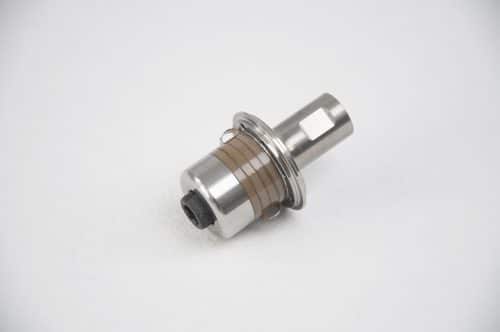
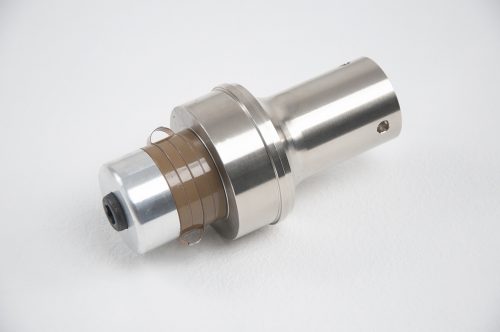
Ultrasonic vibration–assisted machining requires strict frequency stability and impedance matching to ensure reliable and repeatable results.
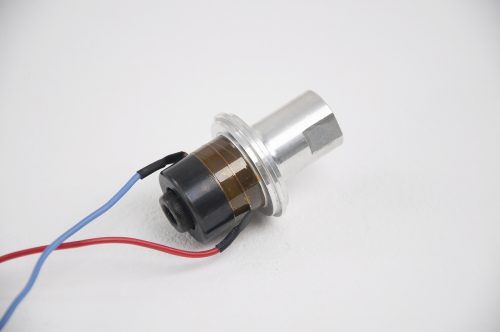
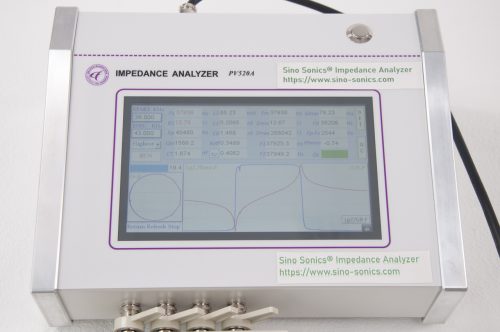
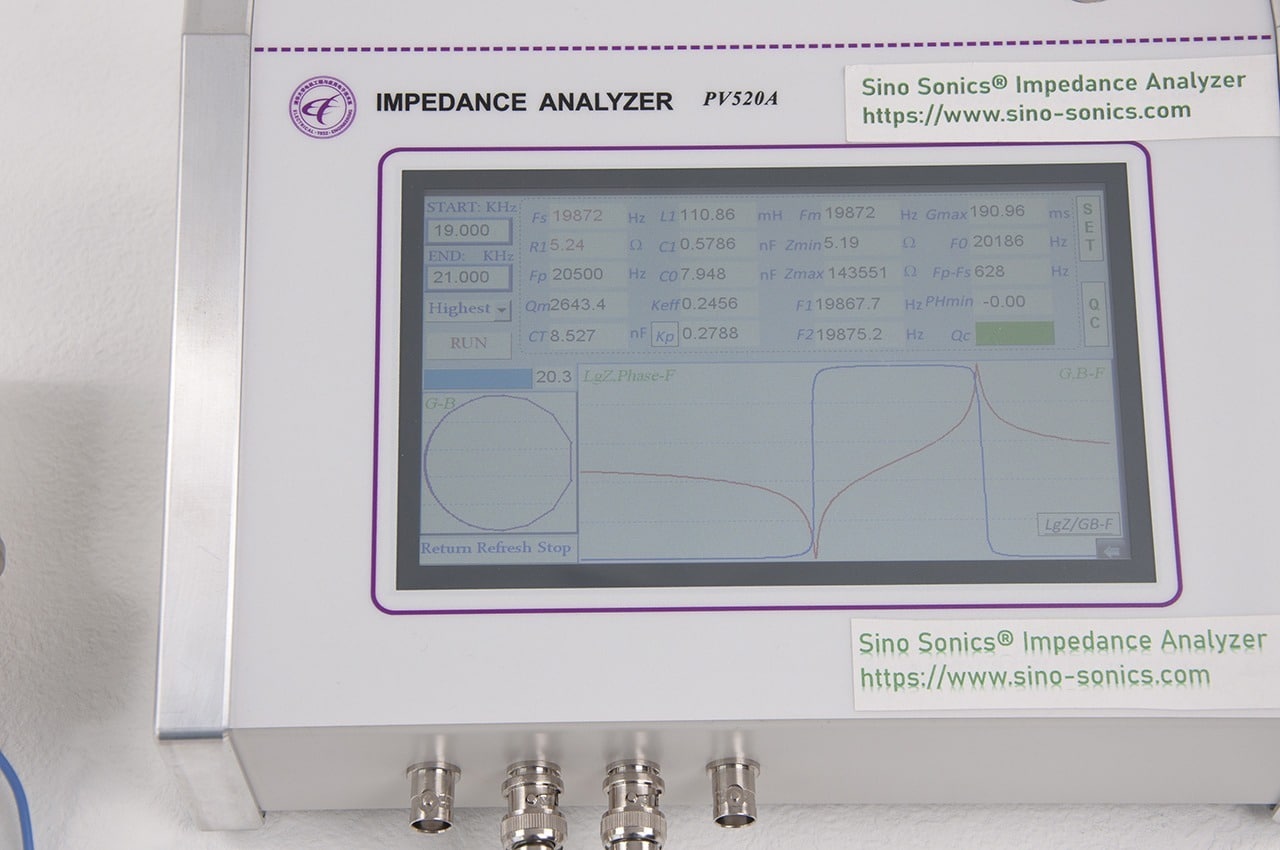
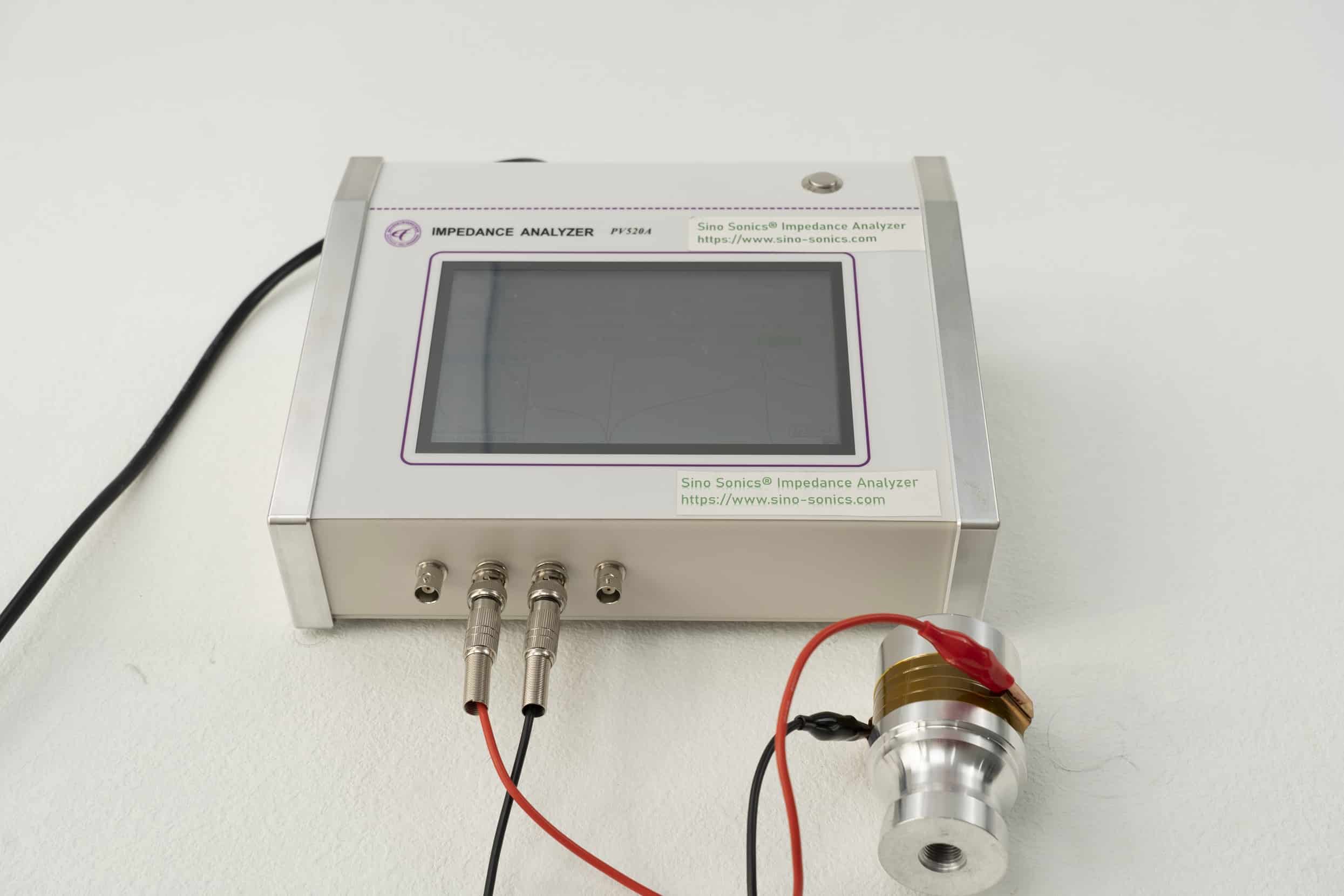
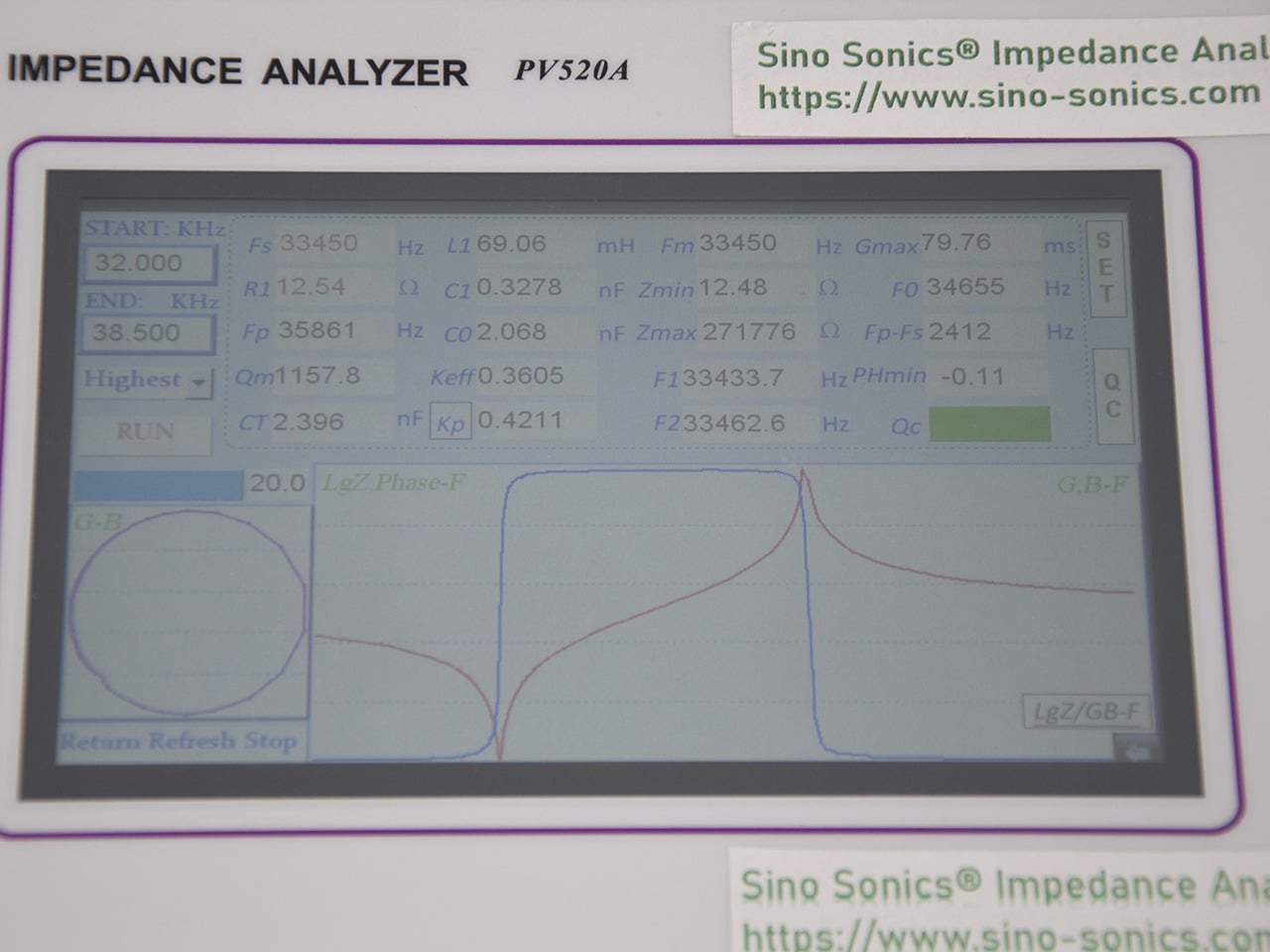
In a 2023 peer-reviewed study published in Coatings (MDPI), the research team used the Sino Sonics PV520A-V impedance analyzer
to verify the reliability and stability of their ultrasonic vibration system before grinding experiments.
Key Highlights
- Peer-reviewed journal reference (MDPI Coatings, 2023)
- Explicit mention of Sino Sonics PV520A-V impedance analyzer
- Used for ultrasonic vibration system stability verification
- Resonance and impedance parameters reported in the study
Published Research Reference
Journal: Coatings (MDPI), 2023
DOI:
https://doi.org/10.3390/coatings13101788
Evidence from the Paper
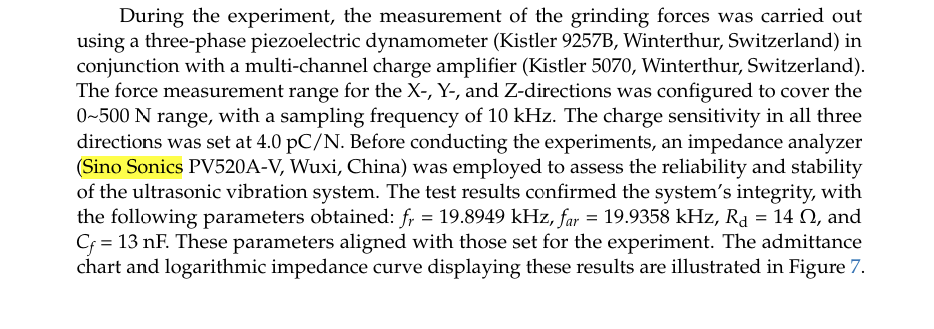
Figure: Sino Sonics PV520A-V referenced in MDPI Coatings 2023 for ultrasonic vibration system stability verification.
Source: Coatings (MDPI), 2023, Section 3.3 Measurement and Analysis.
Measured Parameters Confirmed in the Study
- Resonant frequency (fr): 19.8949 kHz
- Anti-resonant frequency (far): 19.9358 kHz
- Dynamic resistance (Rd): 14 Ω
- Free capacitance (Cf): 13 nF
The test results confirmed the system’s integrity and aligned with the parameters set for the experiment.
Impedance verification ensured the ultrasonic vibration system operated within a stable and controlled frequency band.
Why Impedance Verification Matters
Ultrasonic systems operate within narrow resonance windows. Even small deviations can lead to reduced amplitude, unstable machining performance,
or inefficient energy transfer. Performing impedance analysis before experiments ensures:
- Proper transducer matching
- Stable ultrasonic frequency alignment
- Reliable amplitude control
- Reproducible laboratory results
About PV520 Ultrasonic Impedance Analyzer
The
PV520 ultrasonic impedance analyzer
is designed for precision resonance testing, transducer characterization, and ultrasonic system tuning.
It supports laboratory and industrial validation of ultrasonic assemblies.
Related posts
Popular products
-
 35kHz 300Watt-D30-SA
Original price was: $220.00.$170.00Current price is: $170.00.
35kHz 300Watt-D30-SA
Original price was: $220.00.$170.00Current price is: $170.00.
-
Analizador de impedancia PV520A-T (1KHz~3MHz)
Original price was: $3,200.00.$2,750.00Current price is: $2,750.00.
-
35kHz 1000Watt F30-ST-1
Original price was: $280.00.$220.00Current price is: $220.00.
-
20kHz 1200Watt Branson 900 Reemplazo
Original price was: $300.00.$260.00Current price is: $260.00.
-
35kHz 900Watt Spot Welding Set
Original price was: $240.00.$200.00Current price is: $200.00.
-
20kHz 2000Watt Transductor (Carcasa de aluminio)
Original price was: $360.00.$330.00Current price is: $330.00.
-
 Ultrasonic Food(Cake,biscuit)Cutter/Cutting Machine/Blade
Price range: $1,500.00 through $1,700.00
Ultrasonic Food(Cake,biscuit)Cutter/Cutting Machine/Blade
Price range: $1,500.00 through $1,700.00
-
SoniKKs 35kHz 1200watt Replacement
Original price was: $280.00.$250.00Current price is: $250.00.
-
20kHz 2000Watt Spot Welding Set
Original price was: $300.00.$260.00Current price is: $260.00.
-
35kHz 900Watt 35FA915-1
Original price was: $250.00.$207.00Current price is: $207.00.
-
Telsonic 36kHz 1000watt Replacement
Original price was: $580.00.$550.00Current price is: $550.00.
-
35kHz 800Watt F25-SA-1
Original price was: $240.00.$207.00Current price is: $207.00.
-
SONOBIO Non-Contact 4 Channel Ultrasonic Homogenizer/ Sonicator
Original price was: $4,000.00.$2,599.00Current price is: $2,599.00.
-
40kHz 900Watt F30SA1
Original price was: $250.00.$220.00Current price is: $220.00.
-
Anillo piezocerámico Φ60mm
Original price was: $17.00.$15.50Current price is: $15.50.