How Ultrasonic Cutters Work
An ultrasonic cutter works very differently from traditional cutting tools. Instead of relying on sharp edges and high mechanical pressure, ultrasonic cutting uses high-frequency vibration to assist the cutting process.
In an ultrasonic cutting system, electrical energy is converted into mechanical vibration. The cutting blade vibrates at ultrasonic frequencies, typically around 20 kHz to 40 kHz, producing microscopic movements at the blade tip. These vibrations reduce friction between the blade and the material, allowing the blade to pass through materials more easily and precisely.
Because ultrasonic cutting relies on vibration rather than brute force, it does not require excessive pressure. This helps prevent deformation, tearing, or damage to the material being cut.
If you are looking for an industrial ultrasonic cutter, this technology provides an efficient and precise solution for cutting plastics, rubber, textiles, and food products.
Another important advantage of ultrasonic cutting is that the vibration generates localized heat at the cutting interface. This slight heating effect can soften or partially melt certain materials during cutting, producing clean and sealed edges.
As a result, ultrasonic cutting technology is especially suitable for materials that are:
-
Sticky or viscous
-
Elastic or flexible
-
Difficult to cut with traditional blades
Typical examples include rubber, plastics, textiles, nonwoven fabrics, films, and certain food products.
Ultrasonic Cutter Working Principle
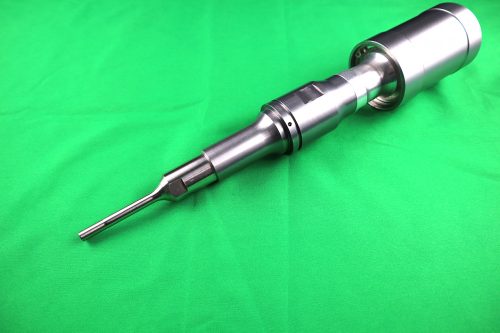
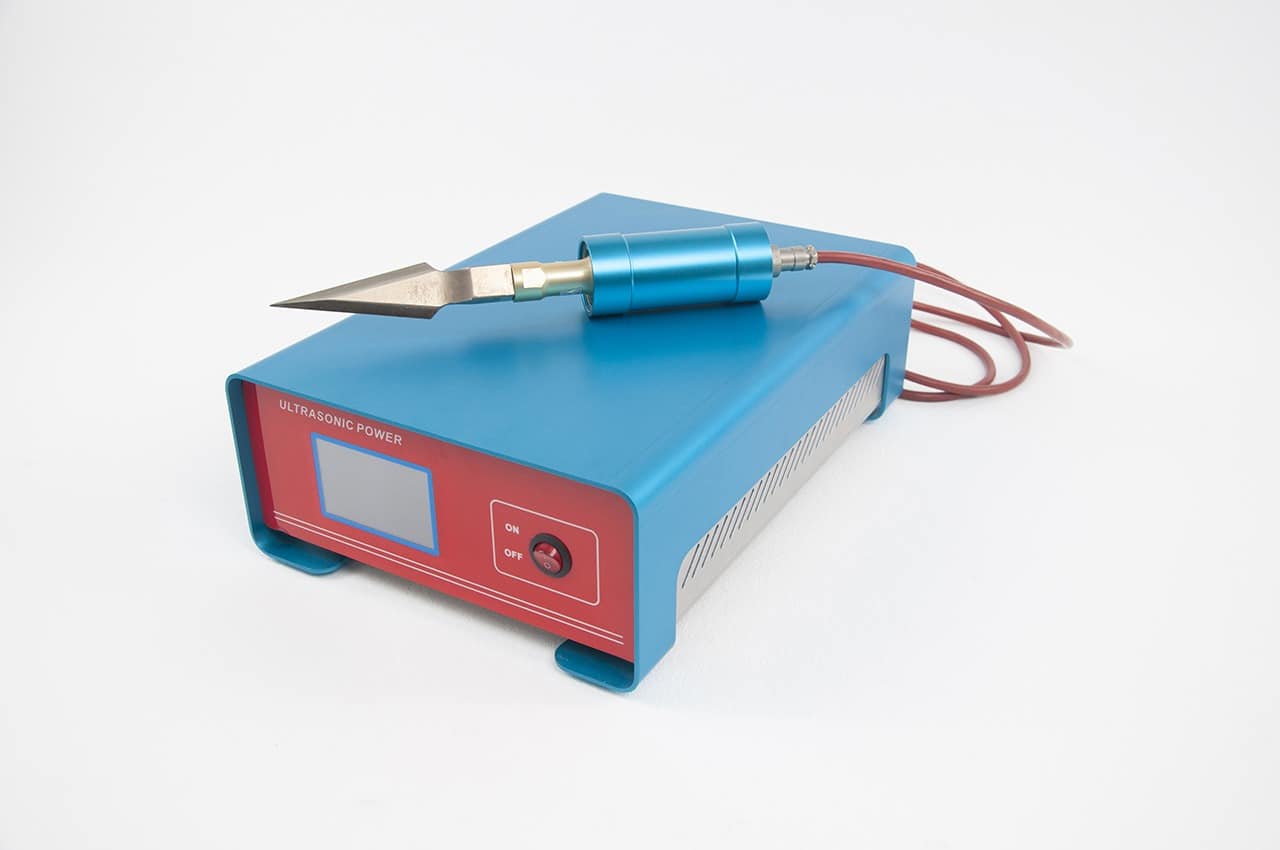
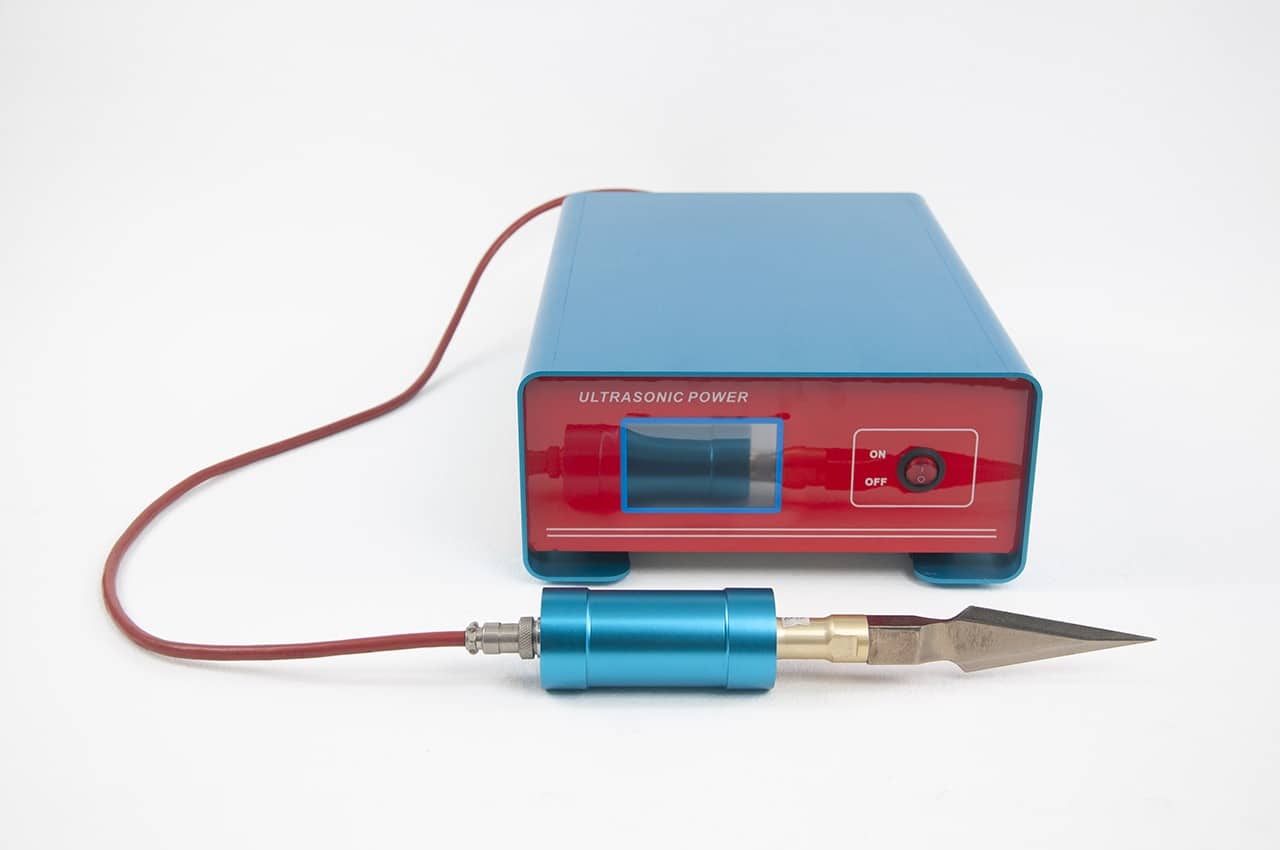
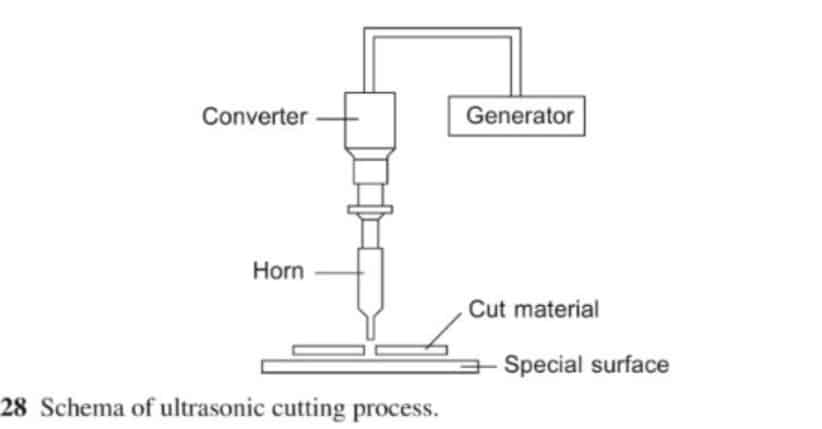
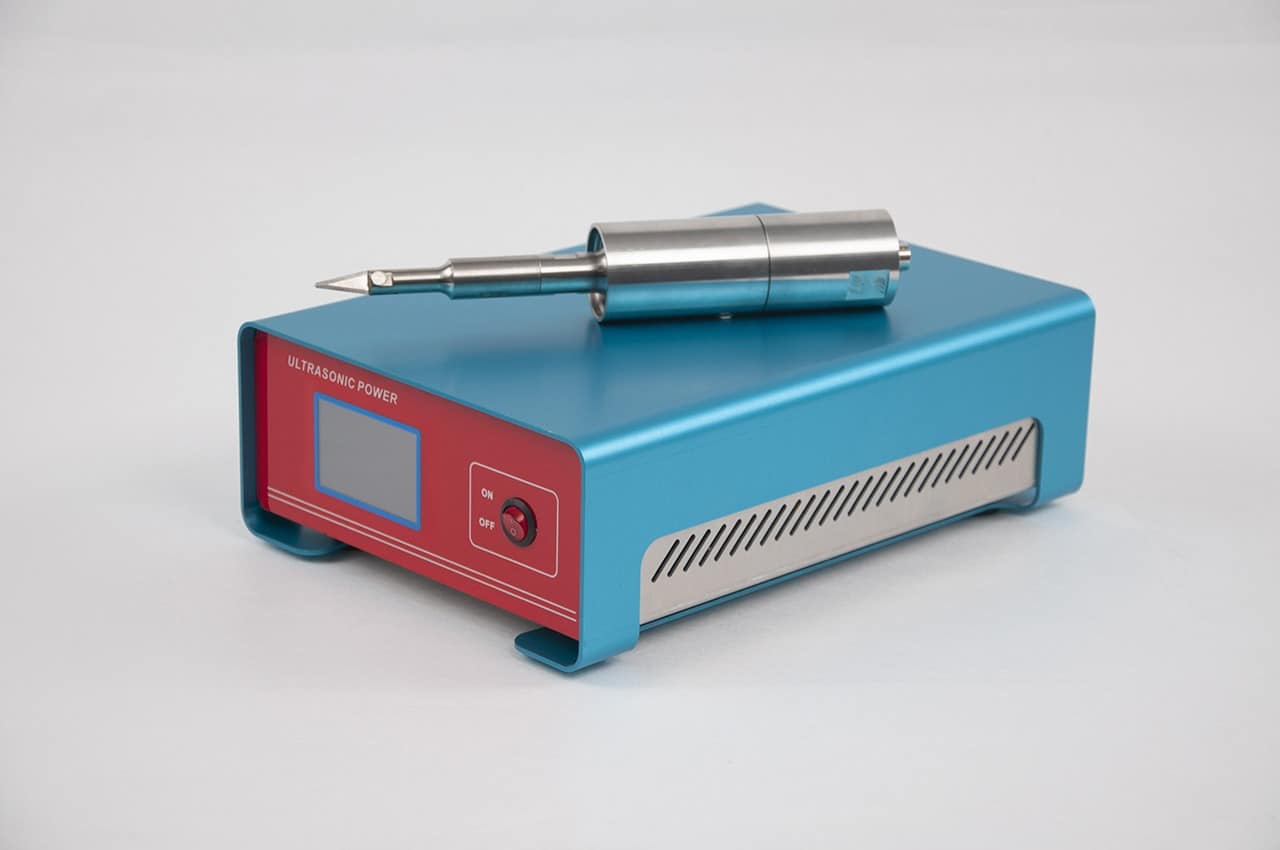
The operation of an ultrasonic cutter involves several key components working together:
-
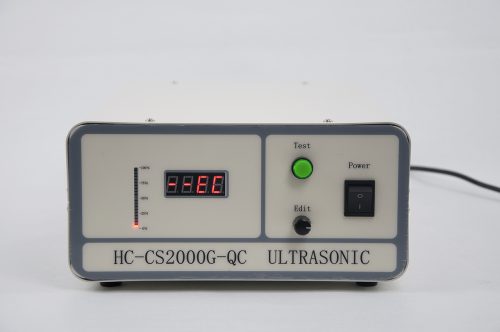
Ultrasonic generator
-
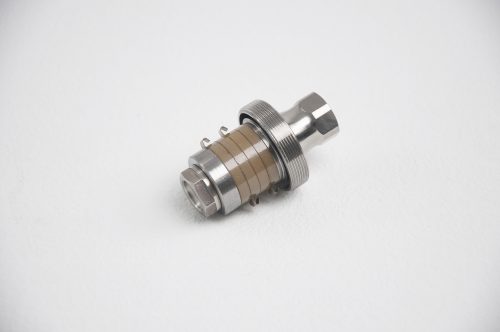
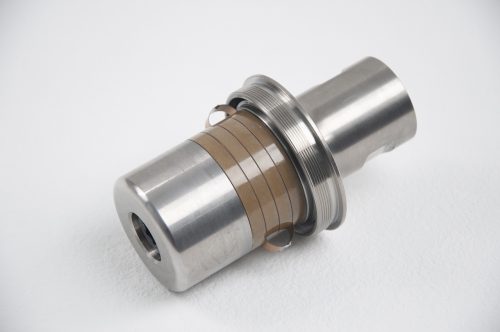
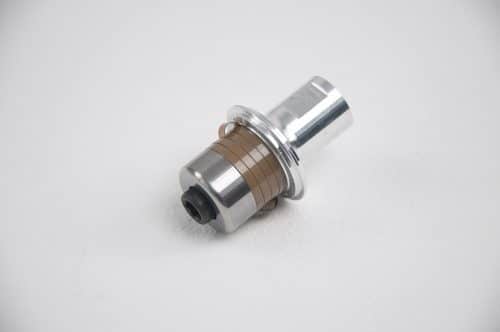
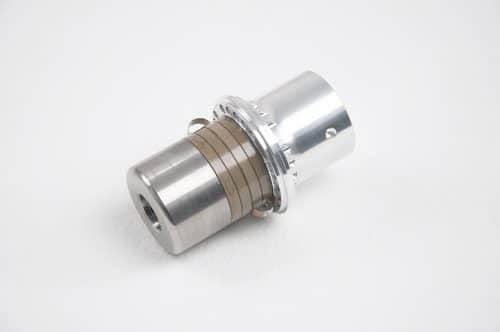
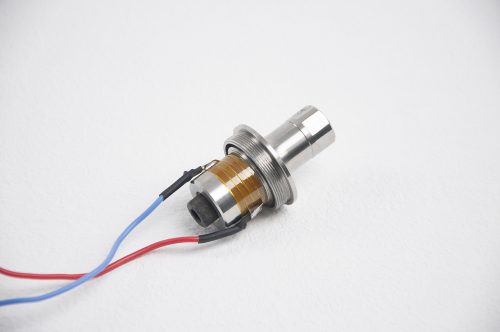
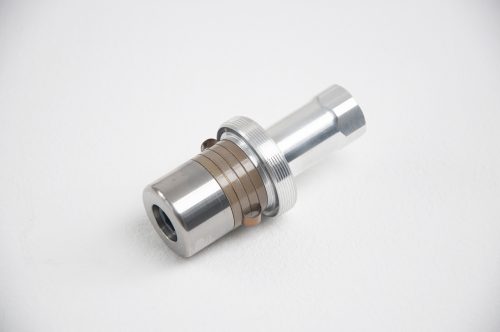
Transductor
-
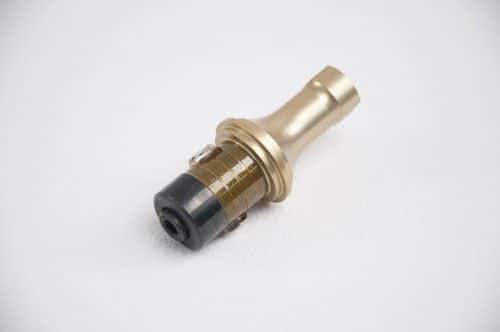
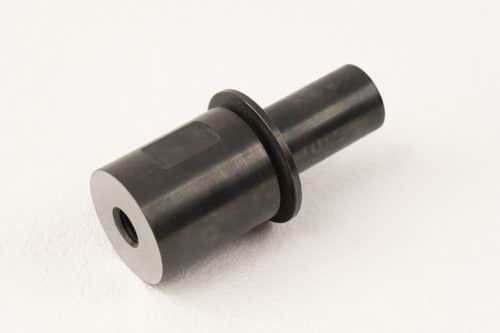
Booster / horn
-
Cutting blade
First, the ultrasonic generator converts electrical power into high-frequency electrical signals. These signals are transmitted to the transducer.
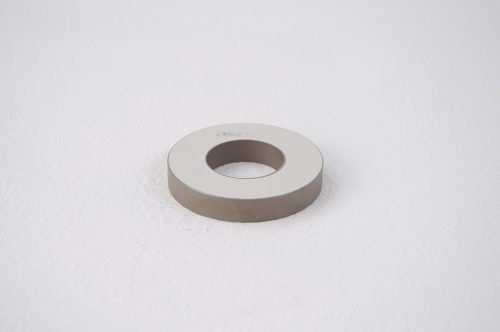
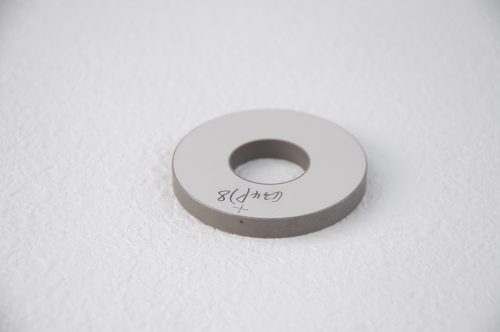
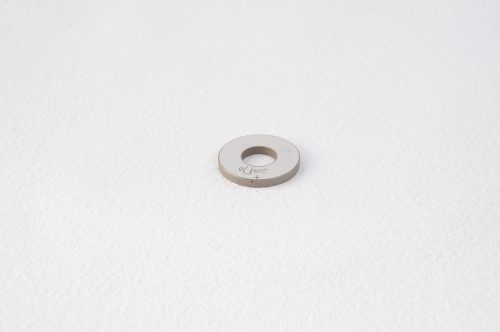
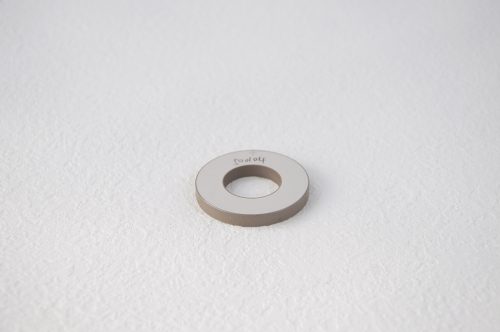
Inside the transducer, a piezoelectric ceramic element converts the electrical signal into mechanical vibration.
Understanding Piezoelectric Ceramic Rings Quality
When voltage is applied to the piezoelectric material, it expands and contracts rapidly, producing ultrasonic vibration.
Although the displacement generated by the piezoelectric element is extremely small—usually only a few micrometers—the vibration frequency is extremely high. This vibration is then amplified by the horn (also called a sonotrode).
The horn is designed with a tapered structure that increases the vibration amplitude as it travels from the transducer to the blade tip. By the time the vibration reaches the cutting blade, the amplitude is significantly increased, allowing the blade to vibrate rapidly.
This ultrasonic vibration creates a resonance effect, where even small mechanical motion produces strong cutting action at the blade tip.
Advantages of Ultrasonic Cutting
Compared with traditional cutting methods, ultrasonic cutters offer several important advantages.
Low cutting resistance
The ultrasonic vibration greatly reduces friction between the blade and the material, making the cutting process smoother and more efficient.
Cleaner cutting edges
Because the blade vibrates at high frequency, the material separates more cleanly. In many materials, the cutting edge is partially sealed, preventing fraying or loose fibers.
Reduced deformation
Since ultrasonic cutting does not require large mechanical pressure, delicate or soft materials can be cut without distortion.
Suitable for difficult materials
Ultrasonic cutting is particularly effective for materials that are sticky, elastic, layered, or difficult to cut with conventional knives.
Industrial Applications of Ultrasonic Cutters
Ultrasonic cutting technology is widely used in many industries due to its precision and efficiency.
Common industrial applications include:
-
Rubber cutting – see our guide on ultrasonic cutter for rubber
Ultrasonic Cutter for Rubber – Advantages, Applications, and Case Studies
-
Plastic trimming
-
Textile and nonwoven fabric cutting
-
Food processing
-
Composite material cutting
-
Film and packaging materials
In food processing, ultrasonic cutters are often used to cut products such as cakes, cheese, and frozen foods without crushing or deforming them.
In textile and plastic industries, ultrasonic cutting helps prevent fraying and improves the quality of the cut edges.
Because of these advantages, ultrasonic cutters are widely used in modern manufacturing processes that require high precision, clean edges, and efficient cutting performance.
Industrial Ultrasonic Cutter Solutions
Industrial ultrasonic cutters are widely used in manufacturing industries where clean edges, high precision, and efficient cutting are required. Whether cutting rubber, plastic, textiles, food, or composite materials, ultrasonic cutting technology provides a reliable and advanced solution.
If you are interested in learning more about industrial ultrasonic cutting machines, you can explore our ultrasonic cutter products or contact our team for technical information.
If you want to buy, please click aquí.
Ready to put ultrasonic cutting to work in your production line? Explore our complete ultrasonic cutting machine range — handheld blades, benchtop systems, and industrial in-line cutters — each shipped with a matched generator-transducer set.
For food production lines (cakes, biscuits, frozen products), see our dedicated ultrasonic food cutting blade with sanitary-grade construction and continuous-duty design.
For continuous web/sheet cutting (rubber, composite, non-woven fabric), the rotary ultrasonic cutter uses a disc-shaped horn driven at 25-30kHz, ideal for inline production.
Related posts

Popular products
-
 Anillo piezocerámico Φ69~Φ70mm
$20.00
Anillo piezocerámico Φ69~Φ70mm
$20.00
-
28kHz 600Watt F25-SA-1
Original price was: $220.00.$184.00Current price is: $184.00.
-
 SONOBIO 30L Ultrasonic Homogenizer Double-Layer Glass Reactor
Original price was: $10,000.00.$7,000.00Current price is: $7,000.00.
SONOBIO 30L Ultrasonic Homogenizer Double-Layer Glass Reactor
Original price was: $10,000.00.$7,000.00Current price is: $7,000.00.
-
15kHz 2600Watt Generador ultrasónico
Original price was: $960.00.$800.00Current price is: $800.00.
-
40kHz 800Watt F25ST1
Original price was: $250.00.$220.00Current price is: $220.00.
-
Anillo piezocerámico Φ55mm
Original price was: $14.00.$11.50Current price is: $11.50.
-
Anillo piezocerámico Φ38mm
Original price was: $6.00.$5.00Current price is: $5.00.
-
TelSonic Replacement 20kHz 3200Watt
Original price was: $390.00.$350.00Current price is: $350.00.
-
 20kHz 2000Watt Spot Welding Set
Original price was: $300.00.$260.00Current price is: $260.00.
20kHz 2000Watt Spot Welding Set
Original price was: $300.00.$260.00Current price is: $260.00.
-
35kHz 900Watt F30-SA-P
Original price was: $250.00.$207.00Current price is: $207.00.
-
TelSonic Replacement 20kHz 4500Watt
Original price was: $390.00.$350.00Current price is: $350.00.
-
Weber 35kHz 1200watt Replacement
Original price was: $280.00.$250.00Current price is: $250.00.
-
Anillo piezocerámico Φ45~Φ49mm
Price range: $5.00 through $9.50
-
28kHz 600Watt F30-SA-1
Original price was: $208.00.$184.00Current price is: $184.00.
-
20kHz Booster; Gain 1:3
Original price was: $180.00.$165.00Current price is: $165.00.