
Introduction
An ultrasonic cutter for rubber is becoming an essential tool in both labs and industry. Cutting elastomeric materials has always been a challenge, since traditional blades struggle with deformation, heat build-up, and irregular edges.
This article explores the benefits of ultrasonic cutters in rubber processing, their applications, and practical case studies from real-world use.
1. What Is an Ultrasonic Cutter?
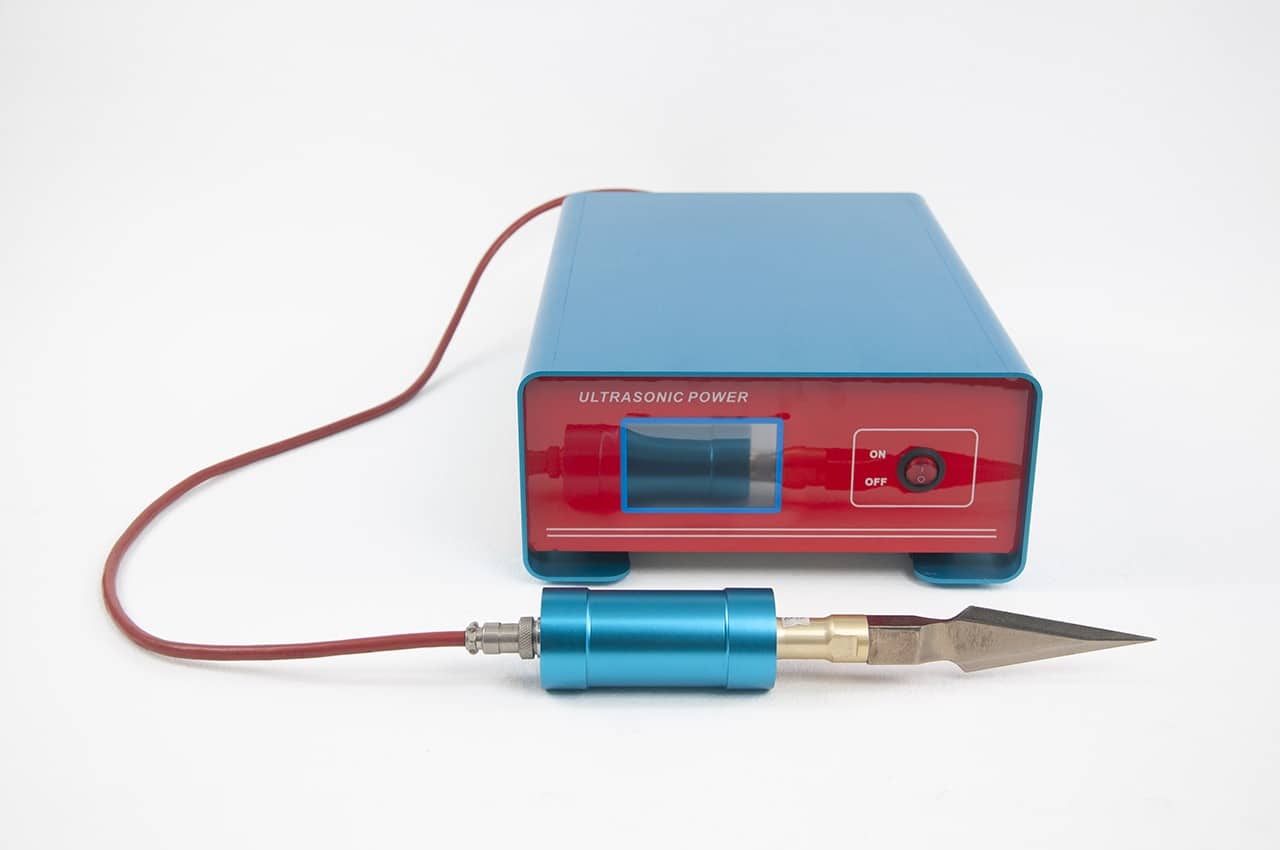
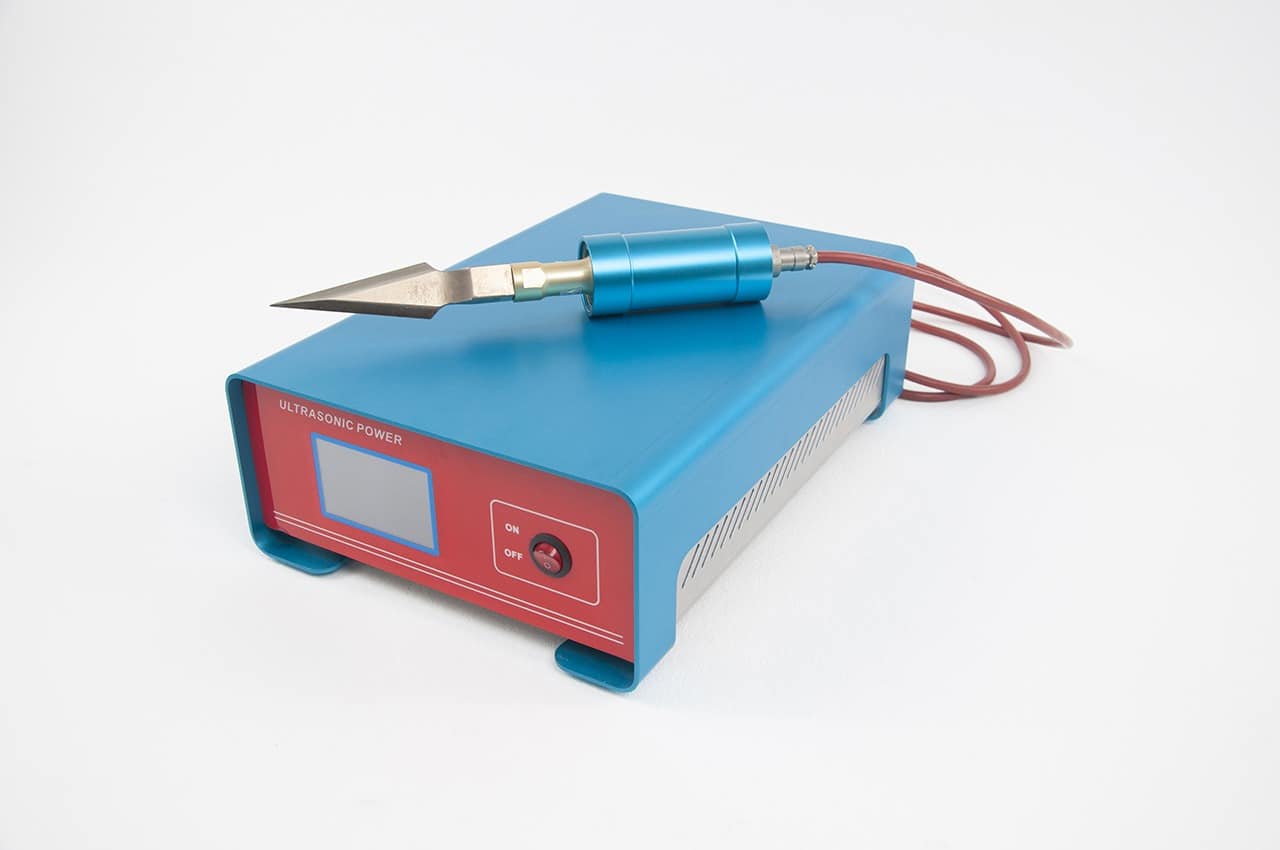
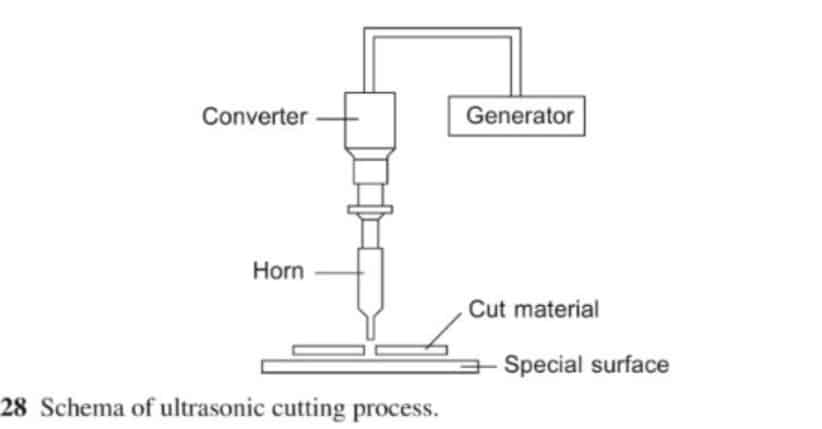
An ultrasonic cutter uses high-frequency vibration (typically 20–40 kHz) to reduce cutting resistance. The vibrating blade glides through materials such as natural rubber, silicone, polyurethane, and composite polymers with minimal pressure.
-
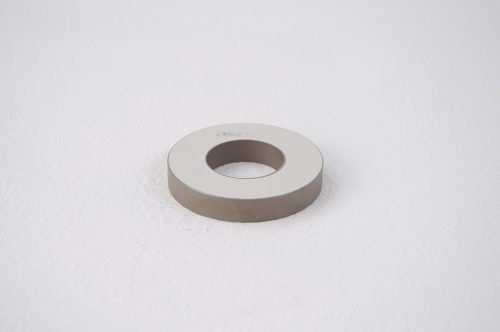
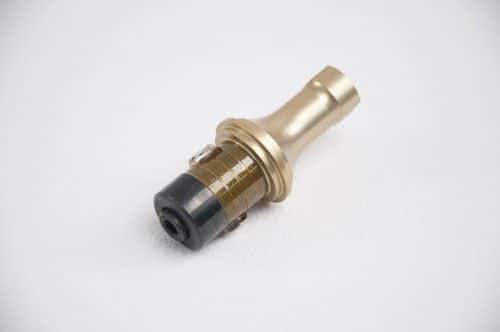
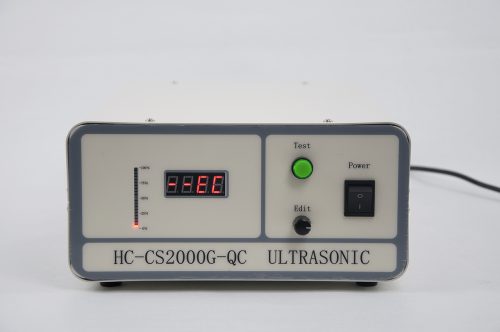
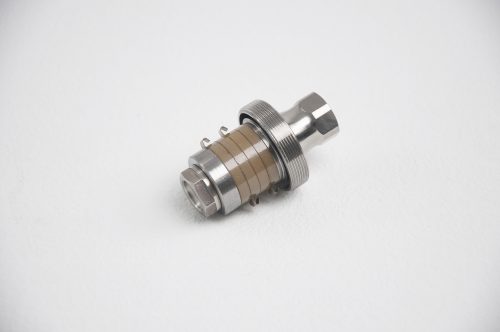
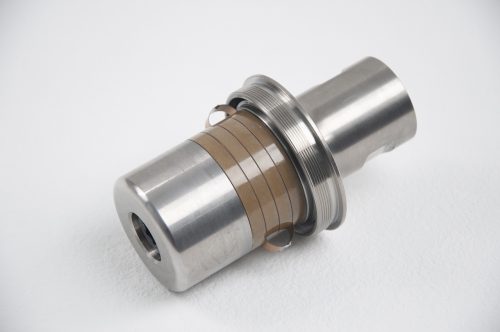
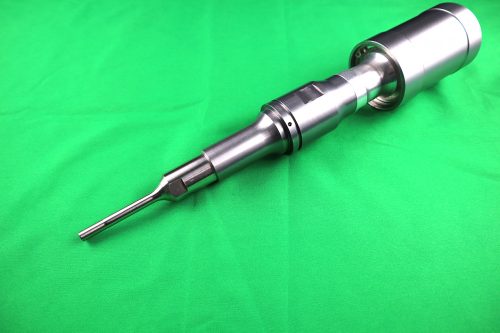
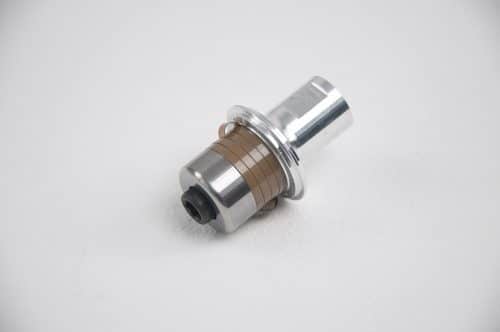
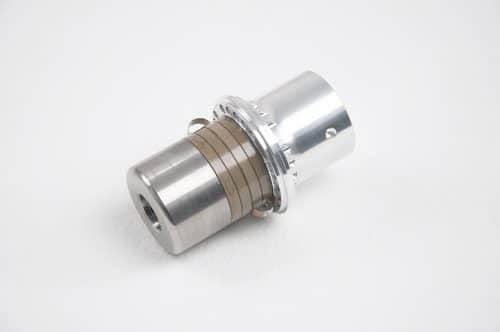
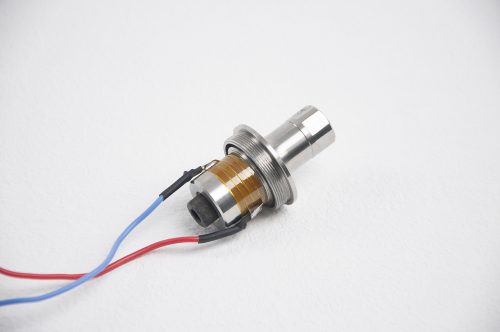
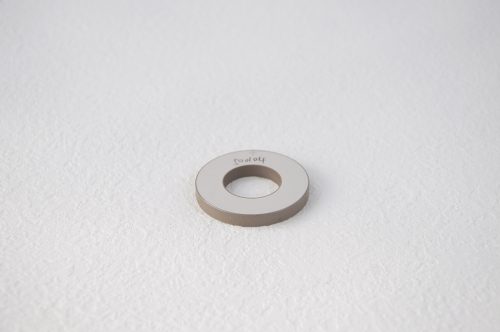
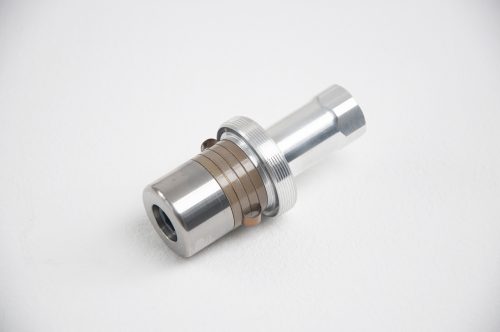
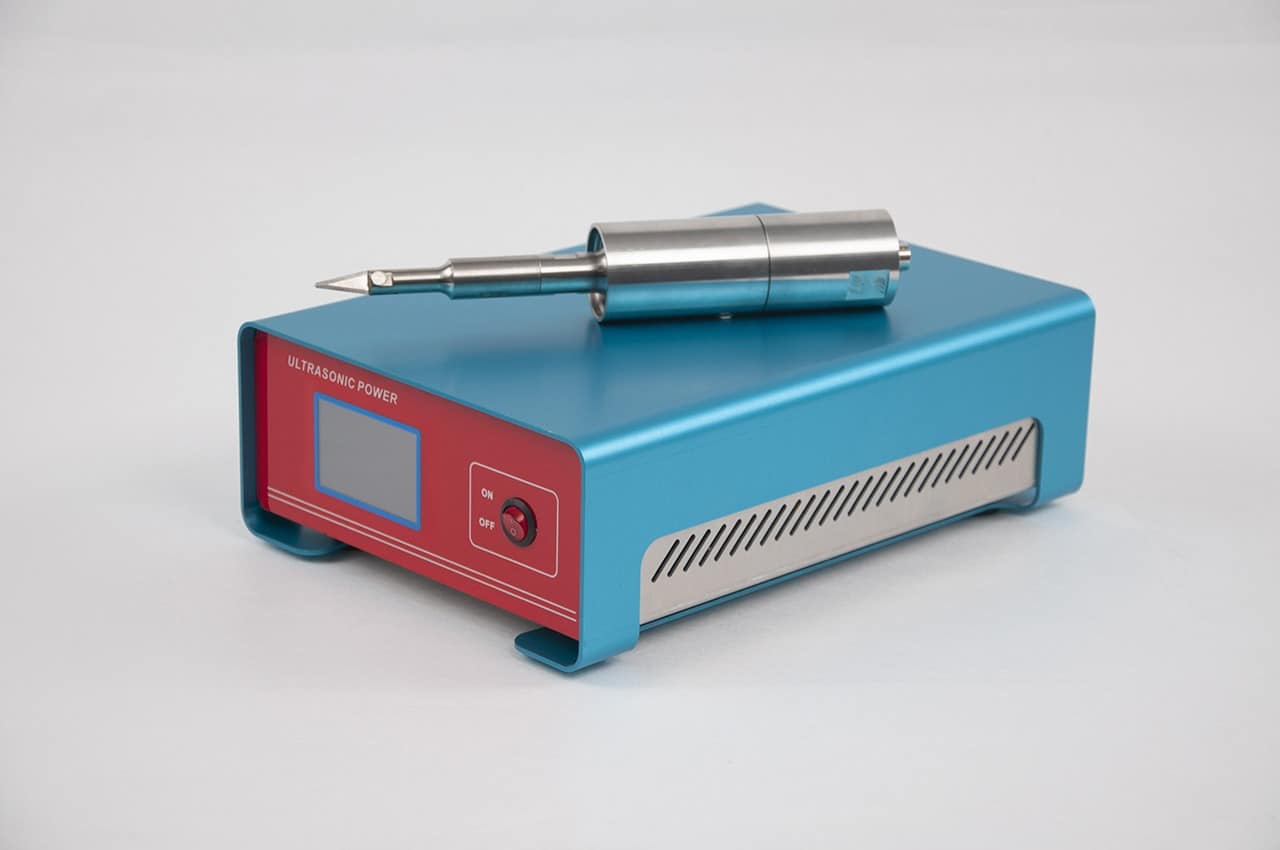
Key Components: ultrasonic transducer, generator, and blade.
-
Principio de funcionamiento: vibration breaks molecular bonds locally, allowing a smooth and effortless cut.
2. Advantages of Using Ultrasonic Cutters for Rubber
-
Clean and Precise Edges – no burrs or fraying.
-
Reduced Deformation – vibration minimizes material distortion.
-
Less Heat Build-Up – avoids melting or burning common with friction cutting.
-
Higher Productivity – faster cuts, less downtime for blade sharpening.
-
Versatility – works on rubber sheets, hoses, gaskets, and even composite laminates.
3. Typical Applications
-
Laboratory Testing: preparing rubber samples for tensile strength or chemical analysis.
-
Automotive Industry: cutting seals, gaskets, vibration dampers.
-
Medical Devices: precision cutting of silicone rubber components.
-
Electronics: trimming polymer insulators and rubber pads.
-
Research & Development: prototyping elastomer-based components.
4. Practical Insights from Real Use
When our lab introduced an ultrasonic cutter for rubber sheets, the first noticeable difference was the consistency of cut quality. Unlike manual blades that often left uneven edges, ultrasonic cutting produced repeatable results with minimal operator effort.
Another key learning was the importance of blade frequency tuning. For softer rubbers, a lower vibration frequency prevented tearing. For harder polymers, a higher frequency improved efficiency. These adjustments significantly improved sample preparation time and accuracy.
5. Case Example: Cutting Silicone Rubber Gaskets
In one industrial case, a manufacturer switched from manual cutting to ultrasonic technology for silicone gaskets. The results were:
-
30% reduction in material waste.
-
50% faster production speed.
-
Consistent edge quality, reducing post-processing.
This demonstrates the cost savings and quality improvements that ultrasonic cutters bring to rubber processing.
Conclusión
Ultrasonic cutters are no longer just a niche tool for research labs—they are becoming an essential solution for industries dealing with rubber and elastomeric materials. By delivering clean cuts, higher efficiency, and less waste, they offer a clear advantage over traditional methods.
For laboratories and manufacturers looking to improve productivity and precision, adopting an ultrasonic cutter could be a game-changer.
Related posts
Popular products
-
 Anillo piezocerámico Φ69~Φ70mm
$20.00
Anillo piezocerámico Φ69~Φ70mm
$20.00
-
28kHz 600Watt F25-SA-1
Original price was: $220.00.$184.00Current price is: $184.00.
-
 SONOBIO 30L Ultrasonic Homogenizer Double-Layer Glass Reactor
Original price was: $10,000.00.$7,000.00Current price is: $7,000.00.
SONOBIO 30L Ultrasonic Homogenizer Double-Layer Glass Reactor
Original price was: $10,000.00.$7,000.00Current price is: $7,000.00.
-
15kHz 2600Watt Generador ultrasónico
Original price was: $960.00.$800.00Current price is: $800.00.
-
40kHz 800Watt F25ST1
Original price was: $250.00.$220.00Current price is: $220.00.
-
Anillo piezocerámico Φ55mm
Original price was: $14.00.$11.50Current price is: $11.50.
-
Anillo piezocerámico Φ38mm
Original price was: $6.00.$5.00Current price is: $5.00.
-
TelSonic Replacement 20kHz 3200Watt
Original price was: $390.00.$350.00Current price is: $350.00.
-
 20kHz 2000Watt Spot Welding Set
Original price was: $300.00.$260.00Current price is: $260.00.
20kHz 2000Watt Spot Welding Set
Original price was: $300.00.$260.00Current price is: $260.00.
-
35kHz 900Watt F30-SA-P
Original price was: $250.00.$207.00Current price is: $207.00.
-
TelSonic Replacement 20kHz 4500Watt
Original price was: $390.00.$350.00Current price is: $350.00.
-
Weber 35kHz 1200watt Replacement
Original price was: $280.00.$250.00Current price is: $250.00.
-
Anillo piezocerámico Φ45~Φ49mm
Price range: $5.00 through $9.50
-
28kHz 600Watt F30-SA-1
Original price was: $208.00.$184.00Current price is: $184.00.
-
20kHz Booster; Gain 1:3
Original price was: $180.00.$165.00Current price is: $165.00.