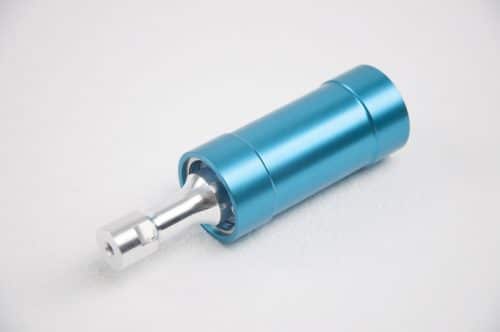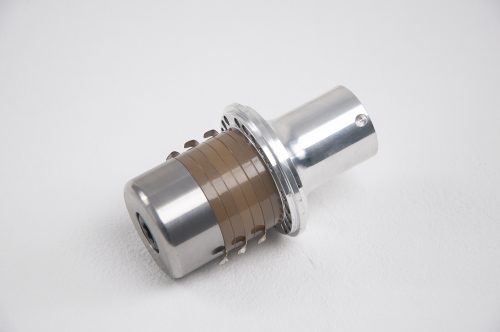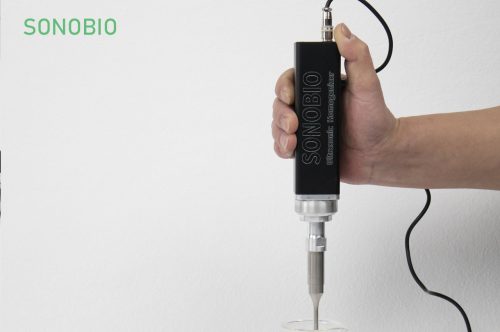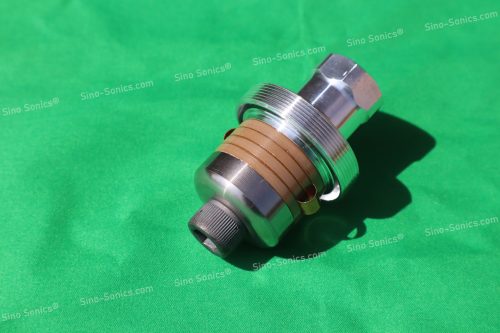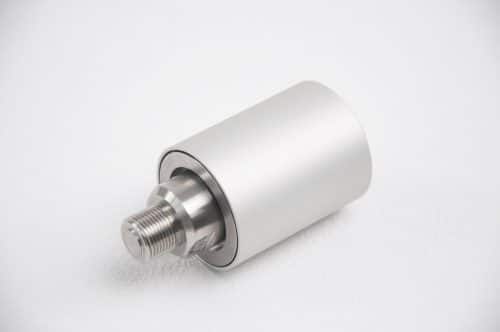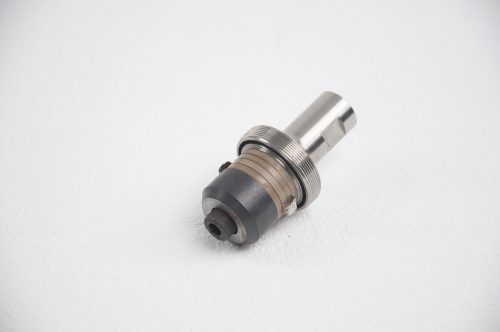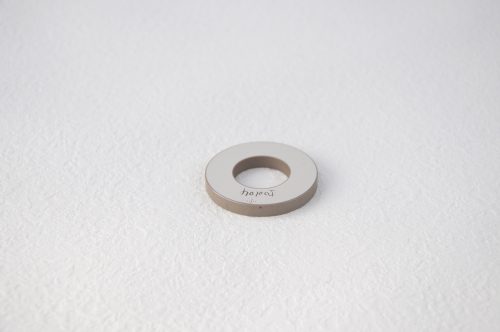
The Multi-Head Probe for Ultrasonic Homogenizers: Maximizing Efficiency and Precision
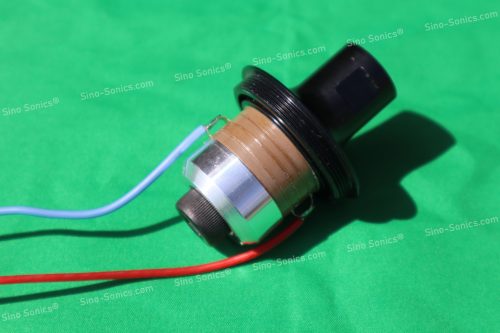
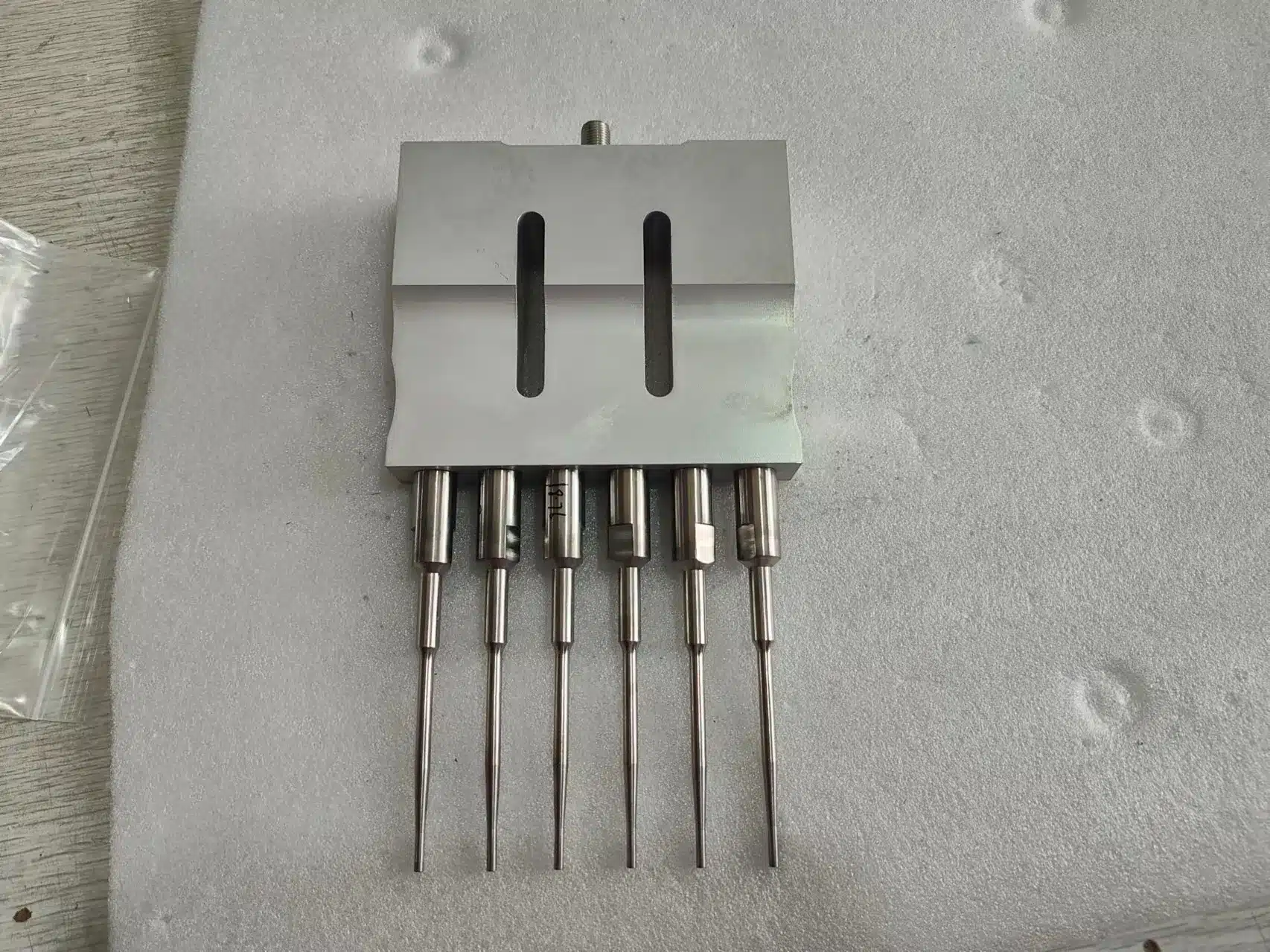
In the world of laboratory processing, efficiency and accuracy are key to driving successful outcomes. A vital tool in this regard is the multi-head probe designed for use in ultrasonic homogenizers, also known as sonicators. This advanced probe is engineered specifically for handling multiple test tubes or containers simultaneously, enabling it to process several samples in parallel, thus enhancing both time efficiency and output precision.
Ultrasonic homogenizers are widely used for breaking down cells, emulsifying liquids, and mixing solutions in research, pharmaceuticals, and industrial applications. Traditionally, a single-head probe is used to treat one sample at a time. However, the multi-head probe offers an outstanding alternative by allowing researchers and technicians to work with multiple test tubes or vials at once, without compromising on the quality of ultrasonic energy delivered to each sample.
The multi-head ultrasonic probe significantly speeds up processes by performing the same level of high-power sonication across multiple solvents or liquids at once. This increase in productivity means that instead of running the ultrasonic homogenizer several times to achieve the same outcome for multiple samples, operators can achieve this in a single run.
By integrating this multi-head probe, laboratories can improve workflow, reduce sample processing time, and cut down on operational costs. For researchers and industrial users, the time saved means more efficient workflows, with faster results and reduced wear on equipment, ultimately ensuring more consistent data and prolonged equipment longevity. If you’re looking to maximize the potential of your ultrasonic homogenizer, the multi-head probe is an essential upgrade that will make a measurable difference to your laboratory’s throughput and performance.
Common Applications of Multi-Head Probes
Multi-head probes are typically chosen when a lab needs to process many small-volume samples on the same protocol — situations where running one sample at a time is too slow or where between-sample variability needs to be minimized.
- Cell lysis screening: parallel disruption of cell pellets across replicates or treatment conditions, so timing, energy, and amplitude are identical across all tubes.
- Nanoemulsion R&D: testing surfactant ratios or oil phases side-by-side under the same sonication conditions.
- Drug formulation development: producing nanoparticles in parallel batches with controlled, repeatable energy input.
- Quality control: routine disruption of multiple production samples for downstream assays.
- Educational and contract labs: maximizing throughput when sample queue is long but per-sample volume is small.
Single-Head vs Multi-Head: Choosing the Right Setup
Single-head probes remain the standard for larger sample volumes, prototyping, or any workflow that needs probe position adjustment per sample. Multi-head designs trade flexibility for throughput — you commit to a uniform per-tube format, but gain reproducibility and time savings.
If your lab routinely runs the same protocol across 4-16 tubes and per-sample volume sits below ~10 mL, a multi-head probe usually pays for itself within months in time savings alone. For mixed workflows, many labs keep both a single-head and a multi-head probe and swap based on the day’s tasks.
Frequently Asked Questions
Does using a multi-head probe affect cavitation intensity per tube?
Energy is split across the tubes, so per-tube cavitation intensity is lower than a comparable single-head probe at the same generator power. The trade-off is acceptable when protocols are tuned for the multi-head geometry; for protocols originally optimized on single-head probes, plan a re-calibration step (longer sonication time or slightly higher generator output).
Can I run a multi-head probe with empty positions?
It depends on the probe design. Some symmetric multi-head probes require all positions loaded with similar load impedance to avoid acoustic reflection imbalances. Check with the manufacturer; for our SONOBIO multi-head probes, partial-loading guidance is included in the user manual.
How do I clean a multi-head probe between batches?
Treat each tip as you would a single probe: rinse with the appropriate solvent for your sample chemistry, then run a short cleaning sonication in a beaker of clean solvent. For biological samples requiring decontamination, follow your standard probe-sterilization protocol (typically 70% ethanol followed by drying), being mindful that closely-spaced tips can trap residue between them.
For specific configurations, contact us directly with your protocol details and we’ll recommend the multi-head geometry and operating parameters that fit your workflow.
Related posts


Popular products
-
 20kHz 800Watt Transductor (Carcasa de aluminio)
El precio original era: $300.00.$280.00El precio actual es: $280.00.
20kHz 800Watt Transductor (Carcasa de aluminio)
El precio original era: $300.00.$280.00El precio actual es: $280.00.
-
Anillo piezocerámico Φ45~Φ49mm
Rango de precios: desde $5.00 hasta $9.50
-
35kHz 300Watt-D30-SA
El precio original era: $220.00.$170.00El precio actual es: $170.00.
-
 15kHz 2600Watt F60-SA-1
El precio original era: $280.00.$220.00El precio actual es: $220.00.
15kHz 2600Watt F60-SA-1
El precio original era: $280.00.$220.00El precio actual es: $220.00.
-
20kHz 4000Watt K50-SA-1
El precio original era: $400.00.$360.00El precio actual es: $360.00.
-
SONOBIO Homogeneizador ultrasónico portátil
Rango de precios: desde $469.00 hasta $549.00
-
Weber 35kHz 1200watt Replacement
El precio original era: $280.00.$250.00El precio actual es: $250.00.
-
40khz 400Watt D30-SA-P
El precio original era: $220.00.$184.00El precio actual es: $184.00.
-
40kHz 900Watt F30SA1
El precio original era: $250.00.$220.00El precio actual es: $220.00.
-
36kHz 1200watt Vibrating-Screen Transducer
El precio original era: $350.00.$300.00El precio actual es: $300.00.
-
30kHz 800Watt F30STR
El precio original era: $230.00.$200.00El precio actual es: $200.00.
-
Anillo piezocerámico Φ40mm
El precio original era: $6.00.$5.00El precio actual es: $5.00.
-
40kHz 600Watt F30-SA-1
El precio original era: $220.00.$184.00El precio actual es: $184.00.
-
Anillo piezocerámico Φ50mm
El precio original era: $11.00.$9.00El precio actual es: $9.00.
-
20kHz 1200Watt Transductor (Carcasa de aluminio)
El precio original era: $300.00.$280.00El precio actual es: $280.00.