
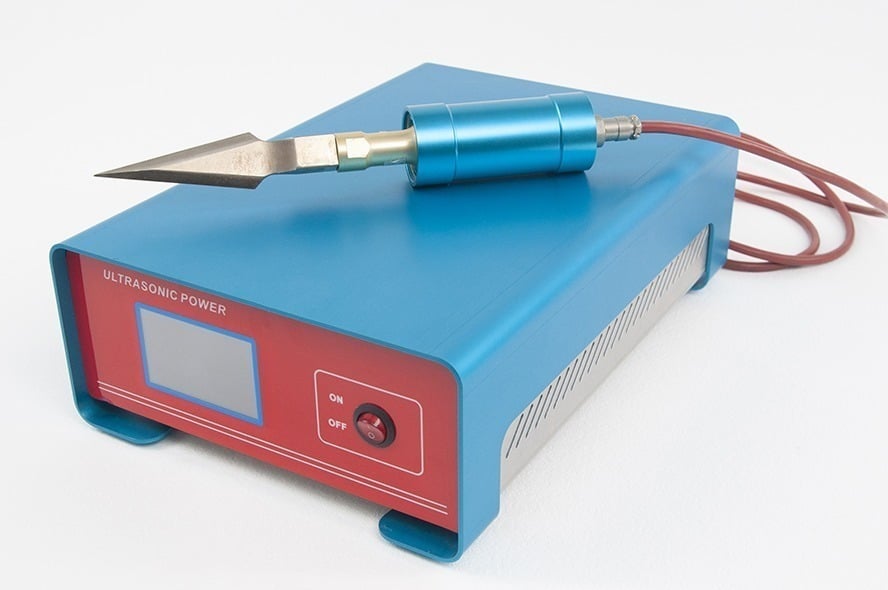
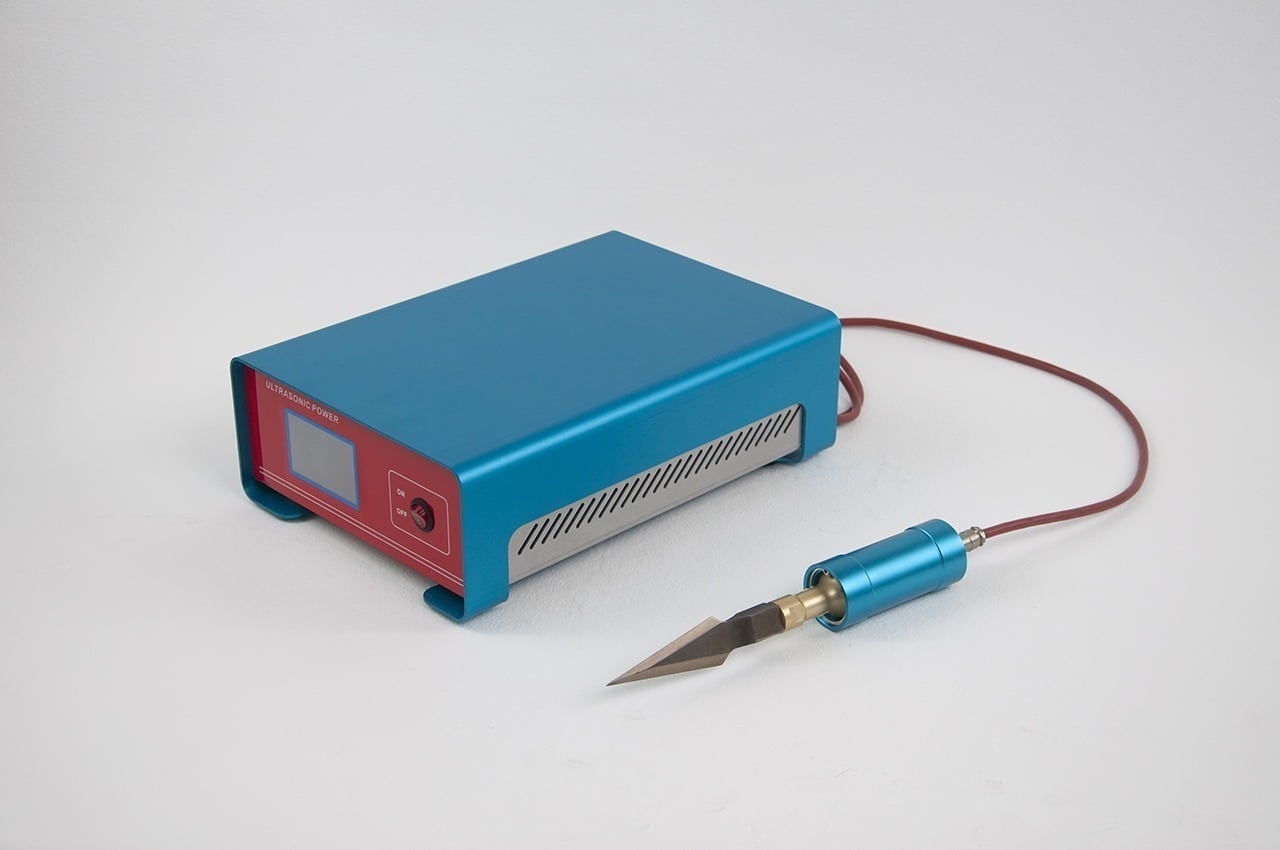
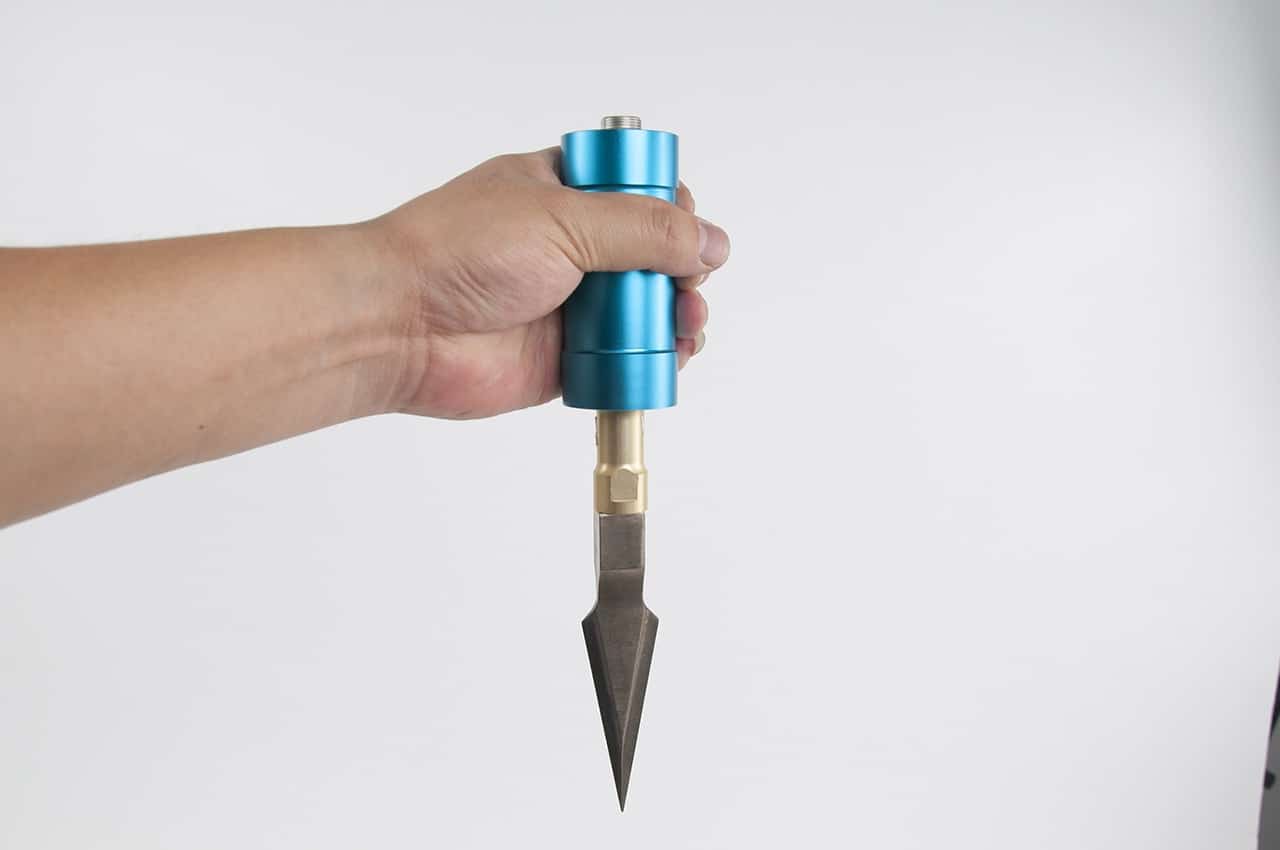
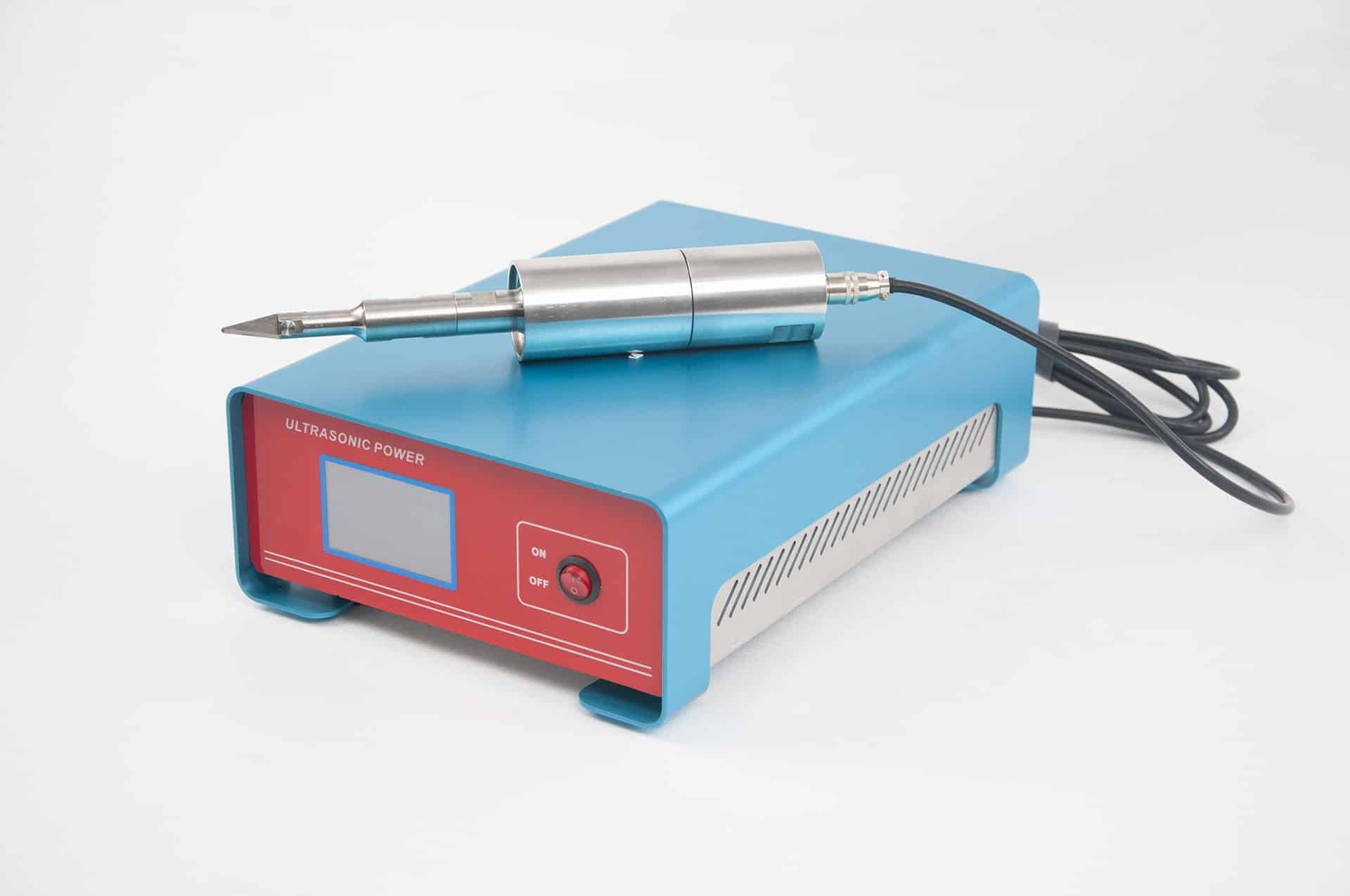
25 kHz Handheld Ultrasonic Cutter for Plastic, Rubber & Non-Woven Fabric
Original price was: $2,299.00.$1,599.00Current price is: $1,599.00.
30% Off
APPLICATION: Plastics, rubber, non-woven fabrics and honeycomb aluminum.
PRINCIPLE: Ultrasonic vibration reduces cutting force and helps prevent sticking.
FUNCTIONS: Auto frequency tracking (19–26 kHz), amplitude compensation, and continuous, pulse or timed operation.
NOTE: Share the material, thickness and shape for a recommendation.
Description
25 kHz Handheld Ultrasonic Cutter Key Facts
- Frequency: 25 kHz with automatic resonance tracking (19–26 kHz)
- Power: 600 W, adjustable 1%–100% · Input: AC 100–240 V, 50/60 Hz
- Modes: continuous, pulse and timed
- Blade: replaceable TH590 alloy steel blade
- Cuts: ABS, PE, PVC, PC, acrylic, non-woven, neoprene, nylon, PP, cardboard, honeycomb aluminum and more (not suitable for metal plate)
- Price: $1,599 · MOQ: 1 unit · Delivery: 7 days after payment
- Warranty: 1 year for the machine, 6 months for the blade (wear part)
The Sino Sonics 25 kHz handheld ultrasonic cutter cuts plastic, rubber, non-woven fabric, cardboard and composites by high-frequency vibration instead of pressure. The generator tracks the resonance point automatically (19–26 kHz), so the blade keeps cutting cleanly when the load changes.
25 kHz Ultrasonic Cutter Gallery
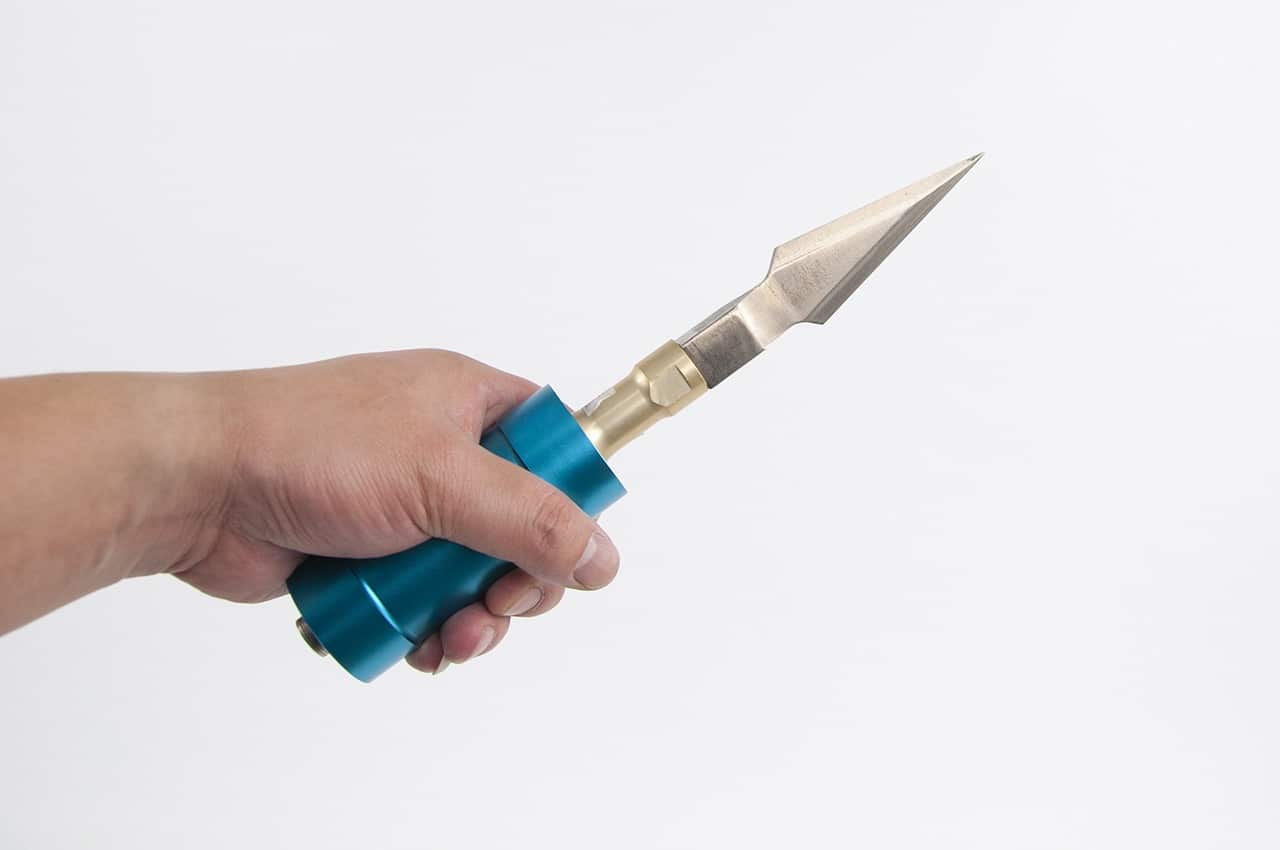
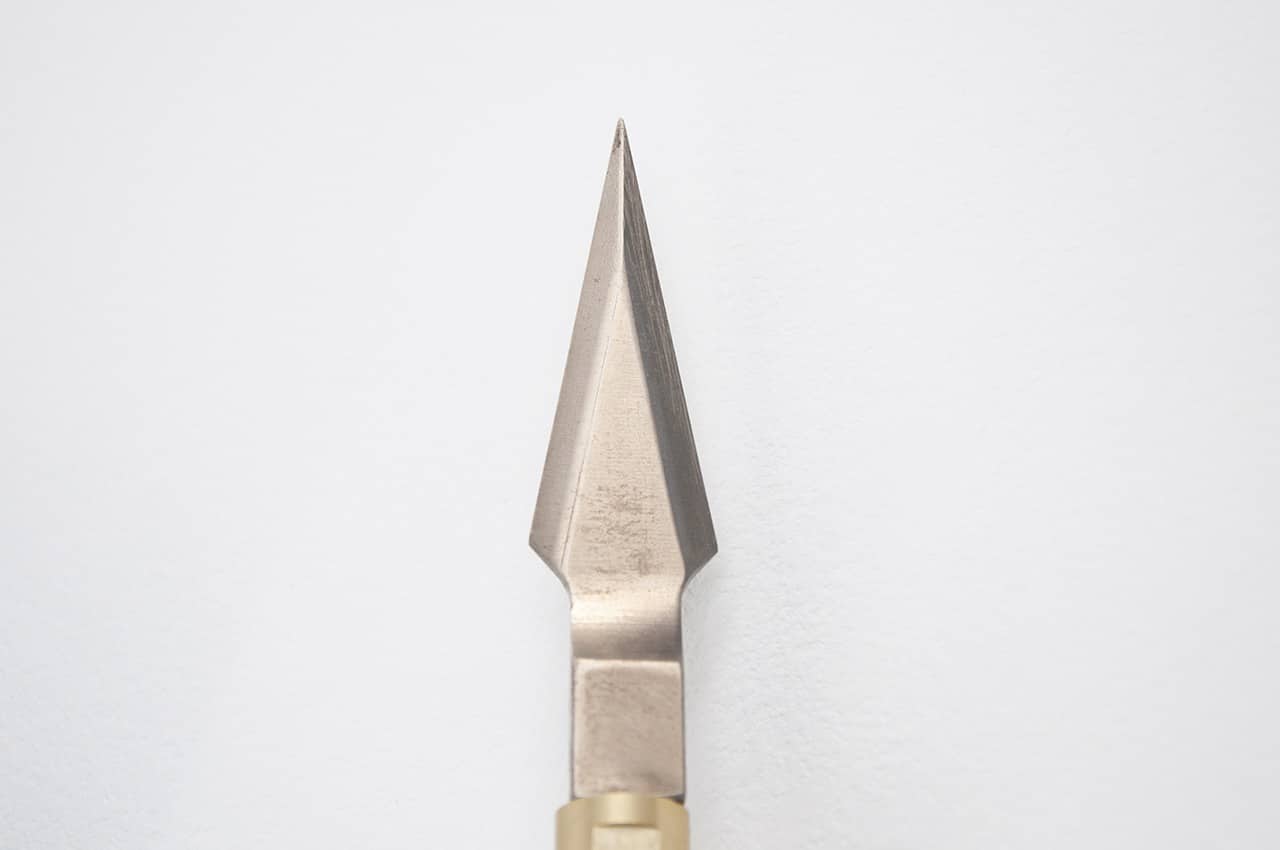

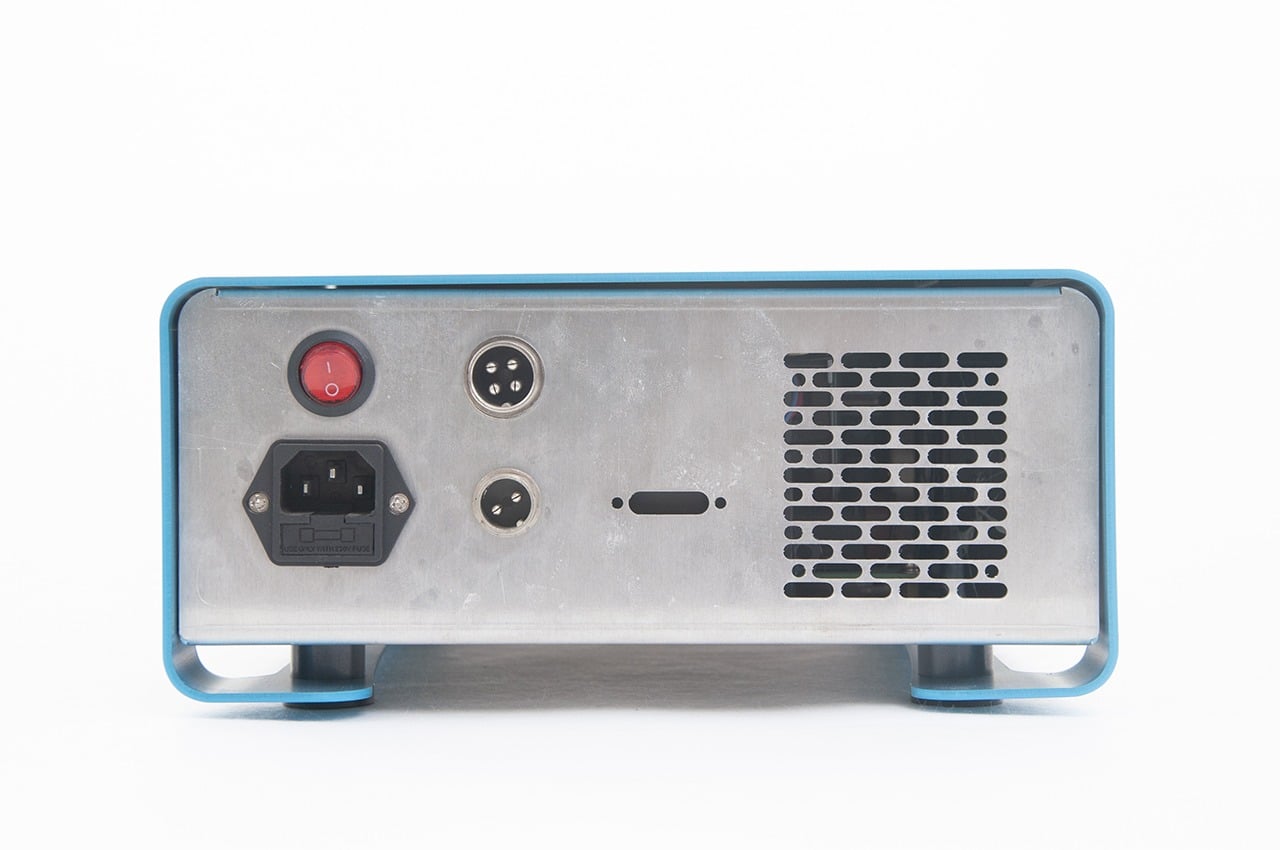
See the 25 kHz Cutter in Action
What Can a 25 kHz Ultrasonic Cutter Cut?
Plastics
- ABS
- PE and PP
- PVC
- PC (polycarbonate)
- Acrylic
- Nylon
Rubber & foam
- Neoprene
- Urethane (polyurethane)
- Rubber sheet — see our rubber cutting guide
Fabric & non-woven
- Non-woven fabric
- Nylon and polyester fabric
- Kevlar
- Synthetic fabric: cut and seal the edge in one pass
Paper & wood
- Corrugated board
- Cardboard
- Plywood
- Linoleum
Composites
- Fiberglass resin
- Honeycomb aluminum
Use the material groups above as a starting point when deciding whether to send a sample. The material name alone does not tell us the thickness, shape or construction of the part. For a molded plastic part, mark the area to trim. For film, fabric or multilayer stock, show the full section you want to cut. For rubber or other elastic materials, tell us how the part will be held during cutting.
For synthetic fabric, the same operation can cut and seal the edge. One example from the cutter datasheet is PPS fabric at 0.5–1 mm. If edge sealing matters, ask us to check the cut and the finished edge on your own sample. Browse the applications guide, textile cutting overview and carpet trimming example for related uses.
How an Ultrasonic Cutter Works
Key Features of the 25 kHz Handheld Ultrasonic Cutter
Resonance tracking and amplitude compensation do different jobs. The generator sweeps the 19–26 kHz range to find the resonance point. Amplitude compensation adjusts the output as the load changes. You can set power separately from the working mode. Choose the mode first, then adjust power while checking the cut on a sample of the actual material.
25 kHz Ultrasonic Cutter Specifications
| Parameter | Specification |
|---|---|
| Nominal frequency | 25 kHz |
| Resonance tracking | Automatic frequency sweep, 19–26 kHz |
| Power | 600 W |
| Input power | AC 100–240 V, 50/60 Hz |
| Power regulation | 1%–100% |
| Working modes | Continuous, pulse and timed |
| Amplitude control | Automatic amplitude compensation as the load changes |
| Pulse settings | Independent ultrasonic ON and OFF times |
| Digital timer | 1 second minimum |
| Blade | Replaceable TH590 alloy steel |
| Transducer | Prestressed bolt-clamped sandwich construction with piezoelectric ceramic rings |
| Operating temperature | 0–40 °C ambient |
| Operating humidity | Relative humidity ≤85% at 20 °C |
| Continuous operation | Up to 30 minutes per cycle recommended |
| Maximum transducer temperature | 120 °C |
| Operation | Handheld cutter. Secure the transducer in a holder or bracket during use. |
| Warranty | Machine: 1 year with free replacement. Blade: 6 months. |
| Minimum order | 1 unit |
| Customization | Unavailable for this model |
Continuous, Pulse or Timed Mode?
| Mode | How it works | Use it when |
|---|---|---|
| Pulse | Ultrasonic output switches on and off at times you set | Most applications; it limits heat build-up |
| Timed | Runs continuously until the preset time ends | You need a fixed processing time per cut |
| Continuous | Runs until you stop it manually | Hard-to-cut materials that need longer ultrasonic action |
For sample work, record the material, thickness, power setting and mode together. In pulse mode, also record the ON and OFF times. In timed mode, record the preset duration. These details let you compare the results of two cuts and give our engineers the information they need if you request a trial.
Handheld 25 kHz vs Rotary 30 kHz vs Food Cutter
Handheld 25 kHz (this model)
- 25 kHz, 600 W, auto tracking 19–26 kHz
- Plastic, rubber, non-woven, cardboard
- Handheld operation
Rotary 30 kHz
- 30 kHz, up to 1200 W (600 W standard)
- 360° rotating blade
- Can be mounted on robots and plotters
Food Cutter 20 kHz
- 20 kHz
- Cakes, biscuits, cheese, frozen food
- Blade widths 150–305 mm
Choose the handheld model for manual trimming or cutting shaped parts. The rotary cutter is the option to review if the blade needs to turn and the tool will be mounted on a robot or plotter. For cakes, biscuits and other foods, compare the food blade options. See the cutter overview and the buying guide for model selection. Current prices are listed on the respective product pages.
Operating Guidelines
- Ambient temperature 0–40 °C, relative humidity ≤85% at 20 °C.
- Recommended continuous operation: no more than 30 minutes per cycle; the transducer should not exceed 120 °C.
- Fix the transducer in a holder or bracket; do not let it hang by the cable.
- Connect the transducer to the generator before switching on.
- Do not touch the blade during operation, it becomes hot. Switch off after use.
Allow for cooling when planning repeated cuts. Use the recommended continuous-operation limit and maximum transducer temperature together when you plan a session. Pulse mode is recommended for most applications to control heat buildup. Before switching on, check that the transducer is connected to the generator and supported by the holder. Switch the generator off after use.
Ordering Information
- Price: $1,599 (regular price $2,299)
- Minimum order: 1 unit
- Delivery: 7 days after receiving payment
- Shipping: packed in foam and carton, delivered by FedEx / DHL; package 44 × 35 × 22 cm, 6 kg
- Payment: T/T and PayPal
- Warranty: 1 year for the machine with free replacement; the blade is a wear part with a 6-month warranty
- Customization: not available for this model
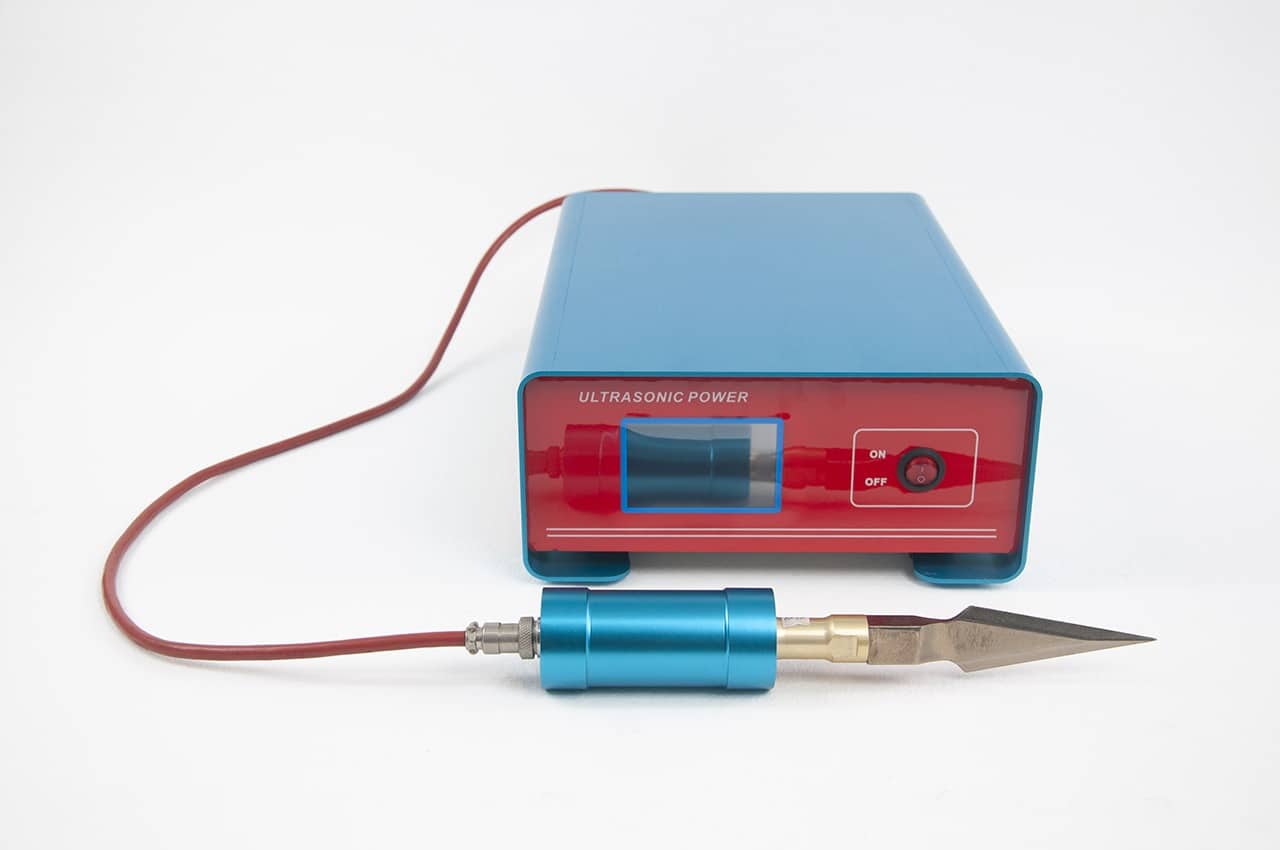
- 1 ultrasonic power supply (generator)
- 2 cables: power cable and transducer connection cable
- 1 cutting knife: transducer with blade
Test Cutting Before You Order
- Send: send us a sample of your material, or contact us and we will arrange a similar sample.
- Cut: we cut it in our factory with a suitable frequency and power.
- Evaluate: we return the cut sample and a video, so you can check sharpness and cut quality.
- Decide: our engineers propose a setup before you place the order.
When you arrange a test, tell us what needs to be cut and what a usable result looks like. Include the material type, thickness and shape. If the sample is layered, send the assembled material you intend to cut. If you need the edge sealed as well as cut, say so before the test. Our engineers can use those details when they review the cut sample and video with you.
Ultrasonic Cutter FAQ12 questions
What is a handheld ultrasonic cutter used for?
How does an ultrasonic cutter work?
What materials can this ultrasonic cutter cut?
Can it cut metal?
What does the automatic resonance tracking do?
What is the difference between continuous, pulse and timed mode?
What is the blade made of and how long does it last?
How much does the 25 kHz ultrasonic cutter cost?
What is the delivery time and warranty?
What is included in the package?
What is the minimum order, and can the cutter be customized?
Can you test my material before I buy?
See the standard ultrasonic cutter page · Watch the ultrasonic cutter video
Need a quote or a test cut for your material?
Reply within 1 business day · [email protected]
WhatsApp +86 186-2632-1806Get a QuoteAdditional information
| Weight | 6 kg |
|---|---|
| Dimensions | 44 × 35 × 22 cm |
| Delivery Time | 7 days after receiving payment |
| Packing Style | Inside Foam + Carton (Fedex /DHL Delivery) |
| Payment Term | T/T and PayPal |
| Warranty Period | 1 Year Warranty, Free Replacement |
| Frequency | 25 kHz nominal, automatic tracking 19–26 kHz |
| Working modes | Continuous, pulse and timed |
| Power regulation | 1%–100% |
| Operating temperature | 0–40 °C ambient |
| Blade warranty | 6 months for the wear part |
Only logged in customers who have purchased this product may leave a review.
Related products
Ultrasonic Food(Cake,biscuit)Cutter/Cutting Machine/Blade
Price range: $1,500.00 through $1,700.00
6% Off
30 kHz Rotary Ultrasonic Cutter for Cutting Tables & Robots
Original price was: $2,499.00.$2,000.00Current price is: $2,000.00.
20% Off
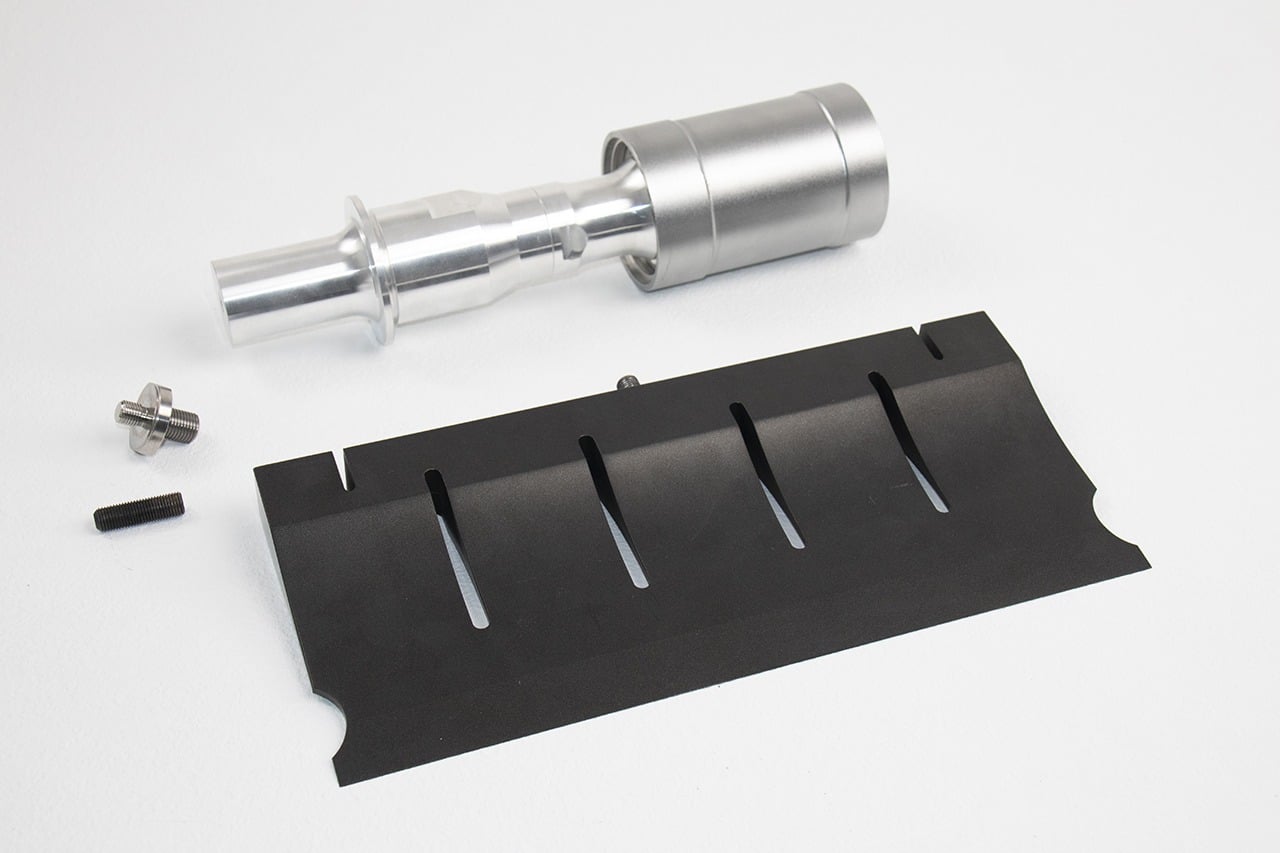
Reviews
There are no reviews yet.