
Industrial Ultrasonic Cutters: 20–40 kHz Handheld, Rotary & Food Cutting Systems
Sino Sonics builds industrial ultrasonic cutters that slice rubber, plastic, composites and food with clean edges and minimal deformation. Vibration does the cutting, not pressure, so sticky, elastic and frozen materials do not smear or crack.
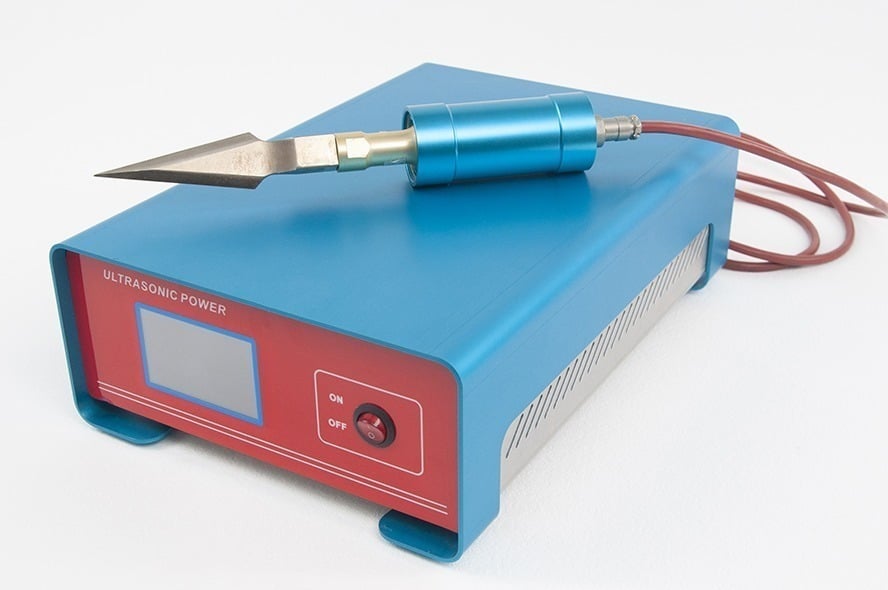
24KHZ-ultrasonic-cutter-knife-s
Ultrasonic Cutter 25kHz Laboratory Industrial Ultrasound Plastic Cutting Knife Machine
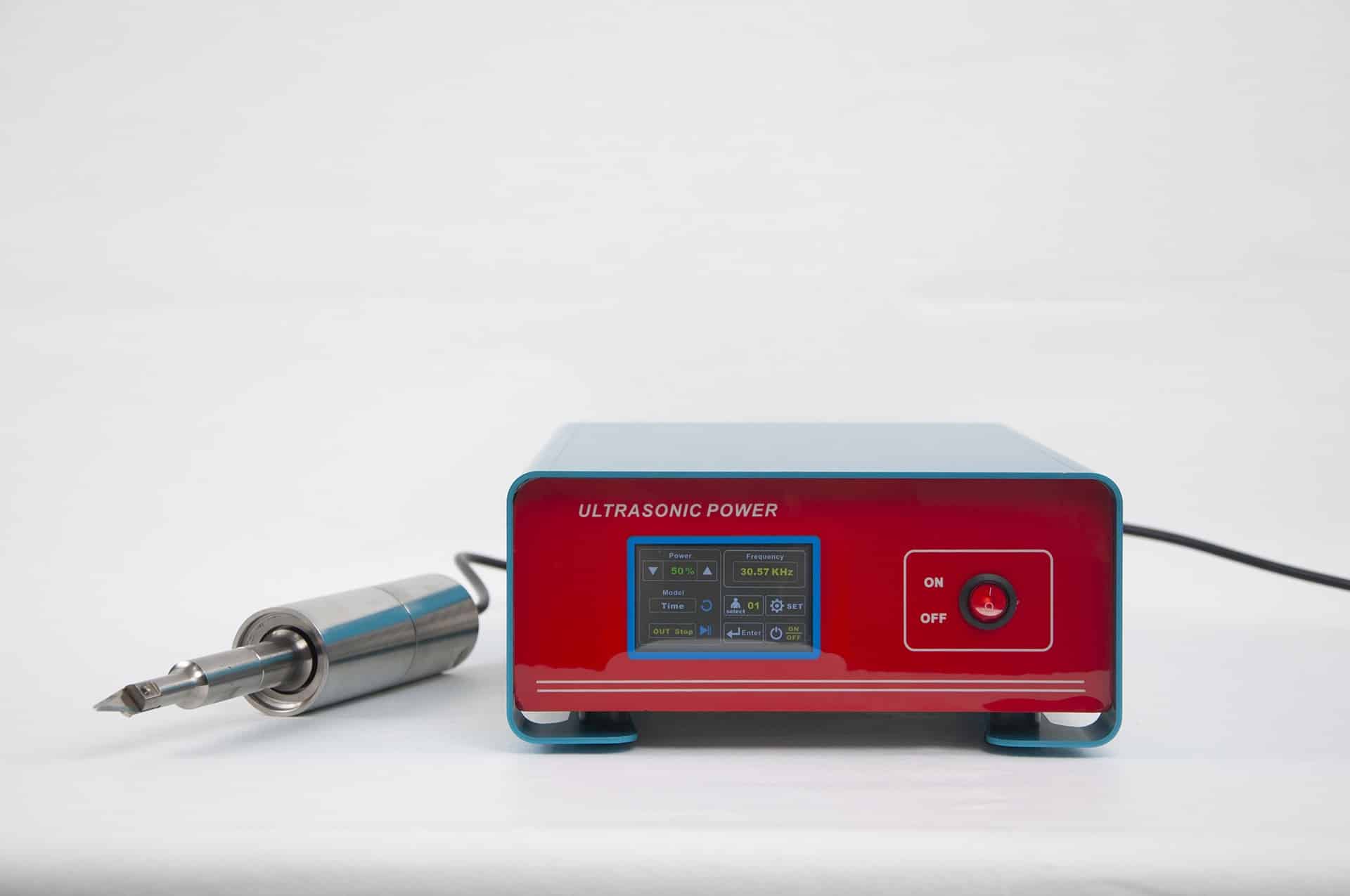
30KHZ-Rotary-Ultrasonic-Cutting-Knife-17
30kHz rotary ultrasonic cutter system for precision trimming and continuous cutting of plastic films, composites and technical materials.
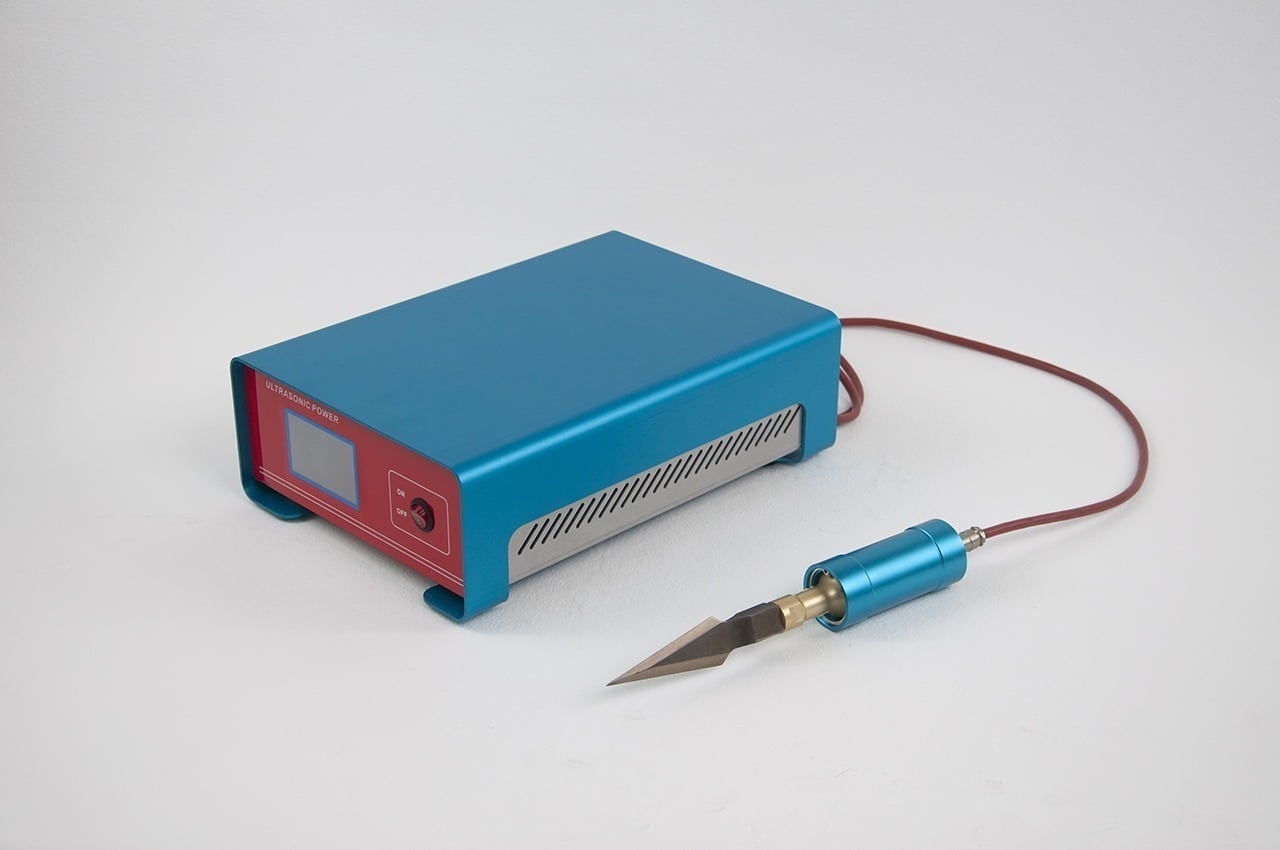
24KHZ-ultrasonic-cutter-knife-03
24kHz ultrasonic cutter system for precision cloth and film cutting applications.
Key facts
- Frequencies: 20 kHz (heavy duty), 30 kHz (general purpose), 40 kHz (precision, low noise)
- Prices: Handheld 25 kHz from $1,599 · Rotary 30 kHz $2,000 · Food cutter $1,500–$1,700
- Warranty: 1 year, free replacement
- Free trial cut: send your material, we cut it at our factory and return the samples with video (about 10 days)
- Manufacturing: Wuxi, China, since 2011
Compare Sino Sonics Ultrasonic Cutter Models
Start with the shape of the part and the way it will be fed into the cutter. The handheld unit suits lab work and industrial jobs where an operator guides the blade. The rotary cutter has a cylindrical body for robot arms and plotters, and its 360° rotation is useful when the cut has to follow a contour. For a food production line, start with the food blade and the required cutting width. For continuous production or a PLC-controlled line, request a quote for an integrated system.
Swipe the table to compare all columns.
| Model | Frequency | Best for | Price (USD) | Product page |
|---|---|---|---|---|
| Handheld Ultrasonic Cutter | 25 kHz | Plastics, rubber & honeycomb | $1,599 | View |
| Rotary Ultrasonic Cutter | 30 kHz | 360° rotation, robots, plotters & 3D parts | $2,000 | View |
| Food Cutter Blade | 20 kHz | Bakery (cake, biscuits) & frozen food | $1,500 – $1,700 | View |
| Integrated Cutting Machine | Custom | Heavy materials, continuous lines & PLC | Quote on request | Request a quote |
Prices are in USD. See the linked product pages for current pricing and available configurations.
Which Frequency Should You Choose?
Use the table as a starting point. Heavy rubber, tyre materials and honeycomb generally point toward 20 kHz. For general-purpose work in plastics or non-woven material, start with the 25–30 kHz range. If precision trimming or low noise is the priority, look at 40 kHz. For a material that is difficult to classify, tell us the thickness and send a sample so we can check the cut before recommending a system.
| Frequency | Typical materials | Why |
|---|---|---|
| 20 kHz | Rubber, tyre material, honeycomb, thick composites | Larger amplitude, heavy-duty cutting |
| 25–30 kHz | ABS, PE, PVC, PC, acrylic, non-woven, fibreboard | General purpose, default choice |
| 40 kHz | Thin films, fine textiles, precision trimming | Smaller amplitude, lower noise |
Technical Specifications
Standard Handheld Cutter
The handheld cutter combines automatic resonance tracking with automatic amplitude compensation. It offers continuous, pulse and timed continuous modes. When you ask about a replacement blade, include the material you cut and the blade shape you need. The 3–6 month service-life figure is approximate.
| Item | Specification |
|---|---|
| Frequency tracking | Automatic resonance tracking, 19–26 kHz |
| Amplitude | Automatic compensation when material load changes |
| Modes | Continuous · Pulse · Timed continuous |
| Power options | 600 / 800 / 900 / 1000 W |
| Blade | Replaceable tungsten carbide, service life about 3–6 months |
Rotary 30 kHz Cutter
The rotary model is the starting point when the cutter needs to turn as it follows the workpiece. The 42 mm cylinder is intended for robotic or plotter mounting. Tell us how the cutter will be mounted and what material it will follow so we can discuss the blade and power configuration. The listed maximum and standard power are separate specifications.
| Item | Specification |
|---|---|
| Input | 100–240 V, 50–60 Hz |
| Frequency | 30 kHz, real-time display |
| Power | 1200 W max (600 W standard), adjustable 1%–100% |
| Control | 4.7″ touch screen, 10 user programs, Pulse / Time / Continuous |
| Body | 42 mm diameter cylinder, 360° rotation |
| Blade | High-speed steel or titanium alloy, replaceable |
| In the box | 30 kHz / 1200 W generator, cutter with blade, power cord, 3 fuses, 3 m cable |
Food Cutter Blade
Choose the blade width to match the product and cut pattern. A bakery line cutting cake or biscuits may need a different shape from a line cutting blocks of cheese or frozen food. When requesting a food cutter quote, tell us the width and shape you need and whether you want an assembly or a complete system.
| Item | Specification |
|---|---|
| Frequency | 20 kHz |
| Blade width | 150 / 170 / 200 / 250 / 305 mm |
| Blade tip | Titanium alloy or Teflon non-stick coating |
| Supply | Transducer + booster assembly, or complete cutting system. Custom blade sizes available. |
What Materials Can You Cut?
Use the material examples below to start a conversation about your application. Where you have several materials or thicknesses, identify which samples you want us to test and the cut you want to achieve on each. This gives you a direct basis for comparing the returned samples and video.
Warranty, Trial Cutting and Ordering
Send the material name, part thickness and expected production volume with your enquiry. If you are replacing a cutter on an existing line, include whether the blade is guided by hand, mounted on a robot or used in a PLC-controlled system. For an OEM or ODM request, share the blade shape and the point where the cutter will fit in your process.
How the Free Trial Cut Works
Tell us what you want to check before sending material. If edge quality is your priority, describe the edge you need. For a shaped part, identify where the blade should enter and leave the material. Our team uses those details to select the frequency and blade shape for the trial.
Prepare Your Cutting Enquiry
For a handheld job, describe the part and tell us which materials you cut most often. For a rotary or integrated machine, tell us whether you are using a robot, a plotter or a PLC-controlled line, and whether the cut follows a straight edge or a contour. For food cutting, include the product shape, the blade width you need and whether the product is frozen.
If you are comparing several models, send the same material and thickness for each trial. Review both the video and the returned samples before choosing. You can discuss the edge quality, frequency and blade shape with us when requesting a quote.
Call +86-510-84390688 or use the email and WhatsApp links below.
Frequently Asked Questions
What frequencies are available?
How much does an ultrasonic cutter cost?
What can an ultrasonic cutter cut?
Are the blades replaceable?
Can the cutter be integrated into automated systems?
How do I choose the correct model?
What warranty do you offer?
Can I test my material before buying?
Need a quote or a sample cut?
Reply within 1 business day · [email protected]
Ultrasonic Cutting Demonstration Videos
Non-woven Cloth Cutting & Sealing
Industrial Handheld Ultrasonic Cutter System

Photo Gallery & Applications
Fibreboard/Plastic Cutting & Trimming
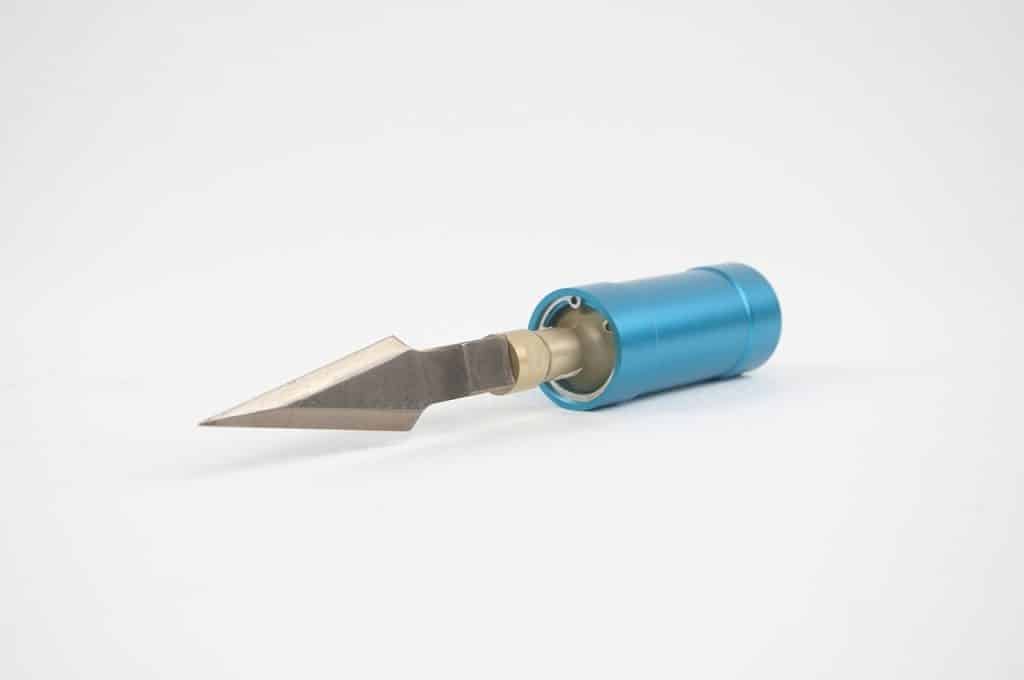
Industrial 30kHz Ultrasonic Plastic Cutting
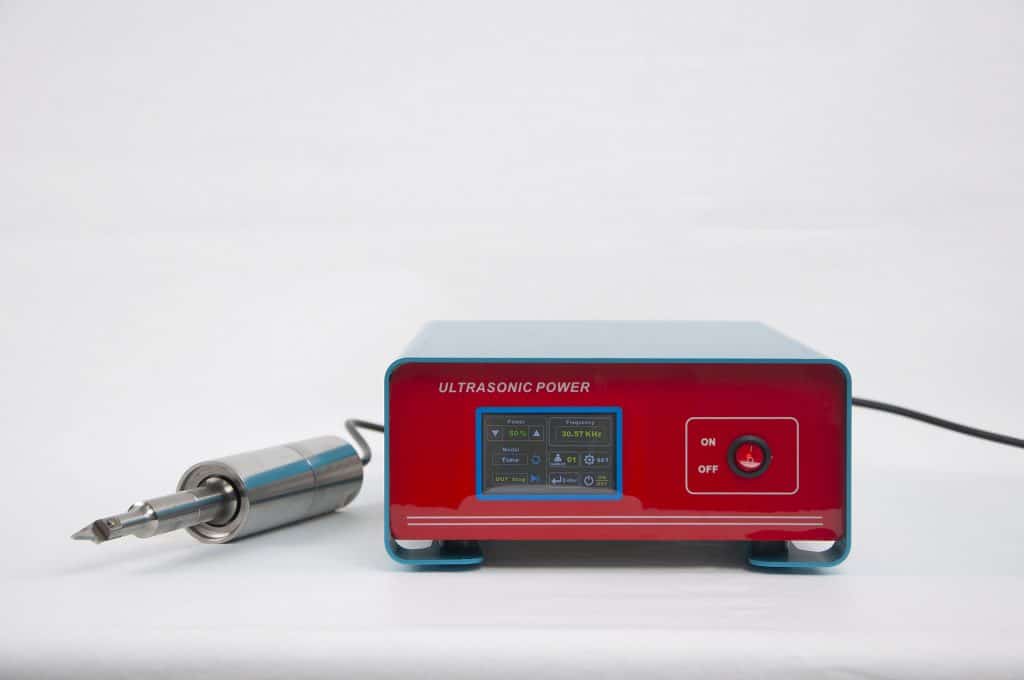
Portable 25kHz Ultrasonic Cutter
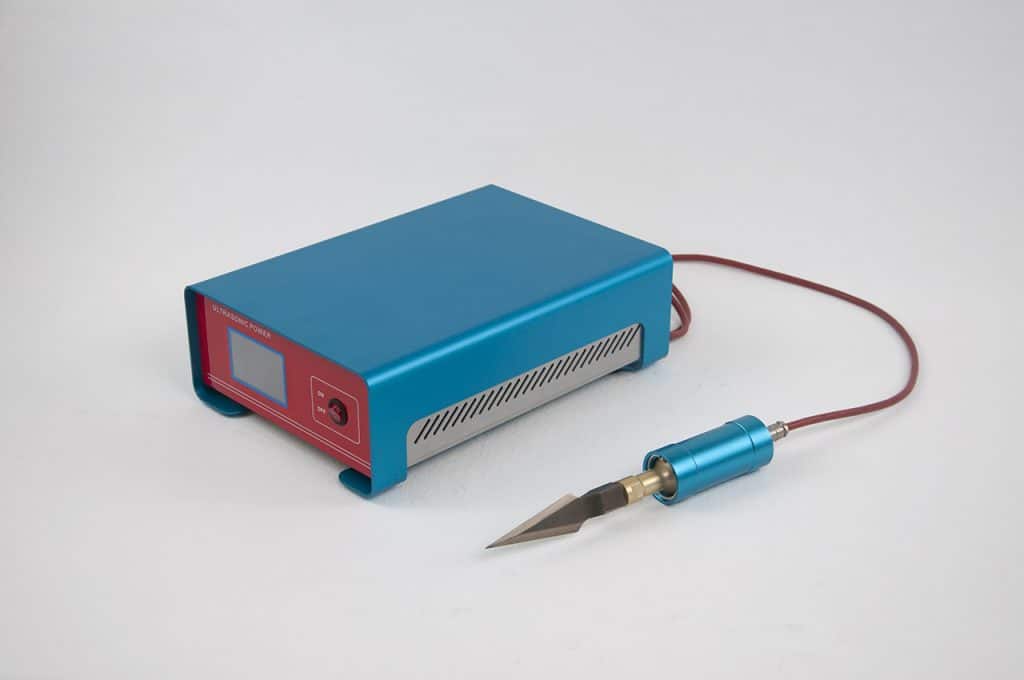
Advantages
Stock
Large inventory of standard carbide cutting blades for all shapes and sizes.
Clean
Ultrasonic cuts are cleaner than conventional cutters with minimal material debris.
Design
Minimal blade flexure ensures straight cuts without having to support the blade.
Replaceable
Replaceable blade technology significantly reduces setup time and tooling costs.
Technical Resources & Application Guides
Cutting Technology Explained
Understand the core mechanics of ultrasonic cutting technology and how it differs from traditional mechanical cutting methods.
Efficient Operation Guide
Maximize the performance of your integrated ultrasonic machines with our guide on efficient operation and setup parameters.
Rubber Cutting Case Study
A deep dive into rubber cutting applications, exploring the advantages, specialized tools, and real-world industrial case studies.